There are those spaces in Minneapolis where the past doesn’t feel like all that long ago. Places that haven’t just borne witness to history but bring it to life, time and again. Such spaces have their own soul.
The Capri is one of them.
As you walk through its glass doors you begin to move through a neighborhood landmark, where since 1927, generations of North Minneapolitans have gathered for movies, theatre, live music, cultural collaborations, and a myriad of life-affirming experiences.
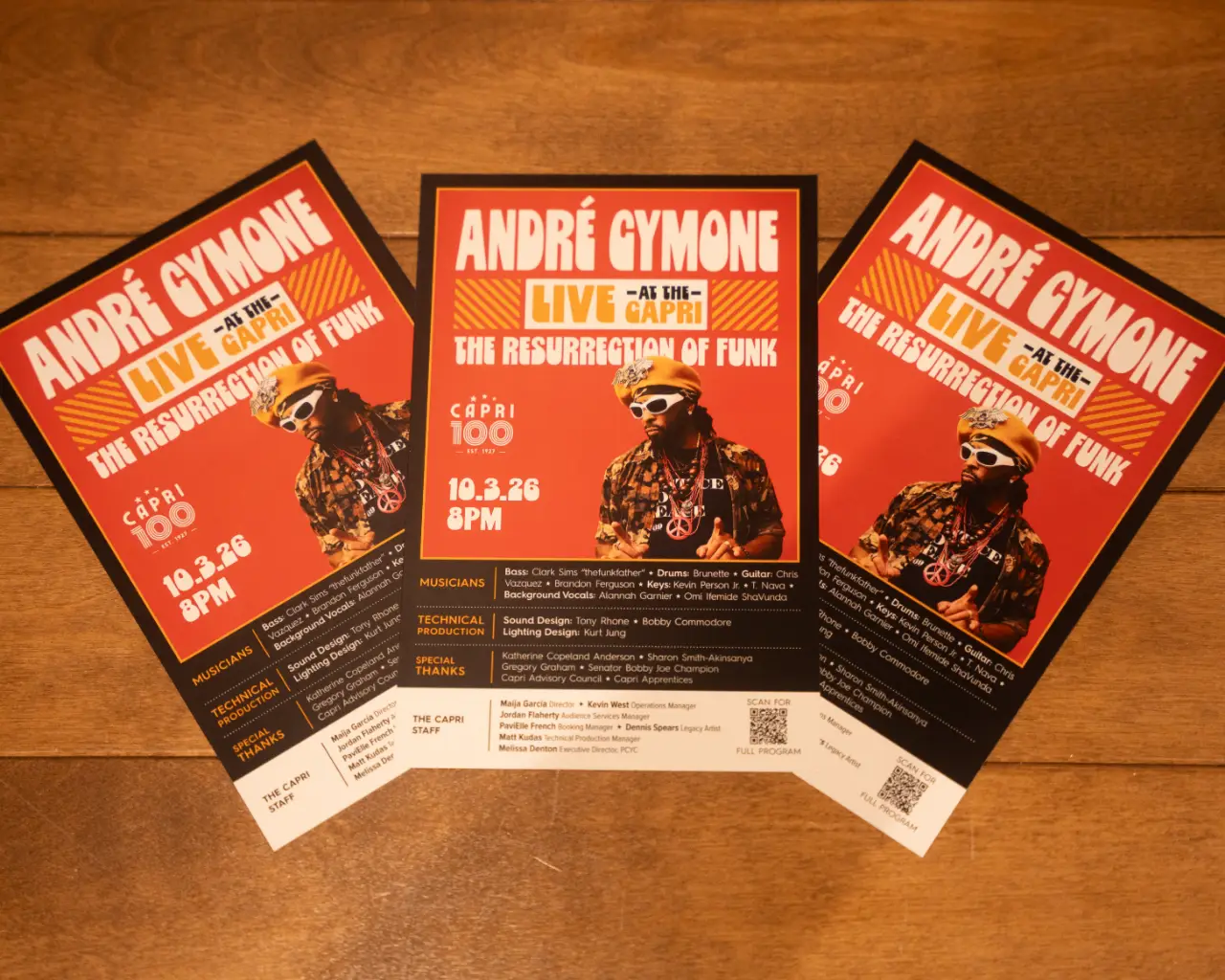
Now, as the Capri observes 100 years, this Northside treasure stands at another defining moment in its century-long history. The centennial celebration that kicked off on October 3, CAPRI 100, is more than a look back; it is a poignant reminder that there is still plenty of history to be made inside those walls at 2027 West Broadway.
And few are better positioned to understand the past, present and future of this story than André Cymone, whose roots at the Capri stretch back even before the beginnings of the Minneapolis Sound, and whose brand-new music is pushing its remarkable legacy forward into the next 100 years.
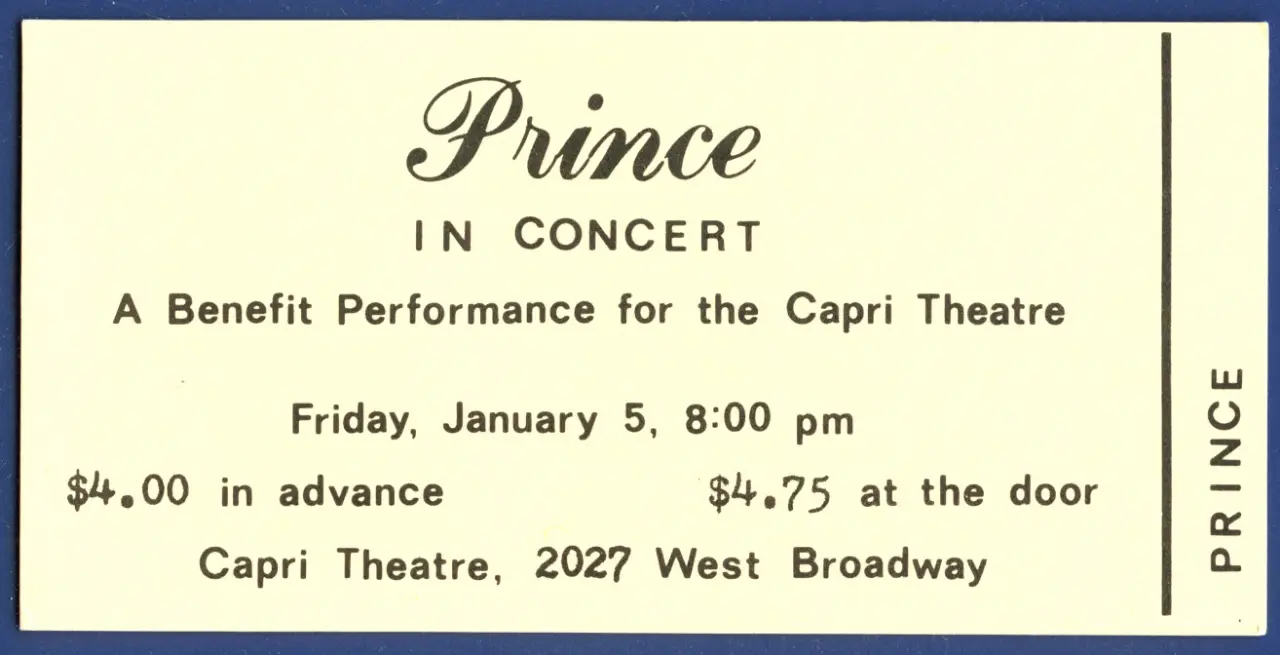
It was a sub-zero night, January 5, 1979, when a 20-year-old André, along with his closest childhood friend, took the stage for the first of two shows at the Capri Theater that weekend, with the Friday night concert later being dubbed as the “gig that started it all.”
Billed as a benefit for the Capri and doubling as a showcase for Warner Bros. executives, anxious to see Prince, one of the newest recording artists on their roster, perform live for the very first time. Those two freezing cold nights also showcased an early lineup of the band that history would come to know as The Revolution, featuring guitarist Dez Dickerson, keyboardists Gayle Chapman and Matt Fink, and Bobby Z on drums.
However, for André and Prince, both sons of the Northside, the Capri was more than just another venue.
“It was our turf,” declares André.
A distinction that was important then. And one that still matters 47 years later.
Back to the Beginning
To fully understand why the Capri matters so much to André, you must travel back to a time before anyone ever even heard of the Minneapolis Sound. Prior to when anyone would recognize the names Prince Rogers Nelson or André Simon Anderson. And before the world would learn about what was happening in a basement at 1244 Russell Avenue North in Minneapolis’ Willard-Hay neighborhood back in the 1970s.
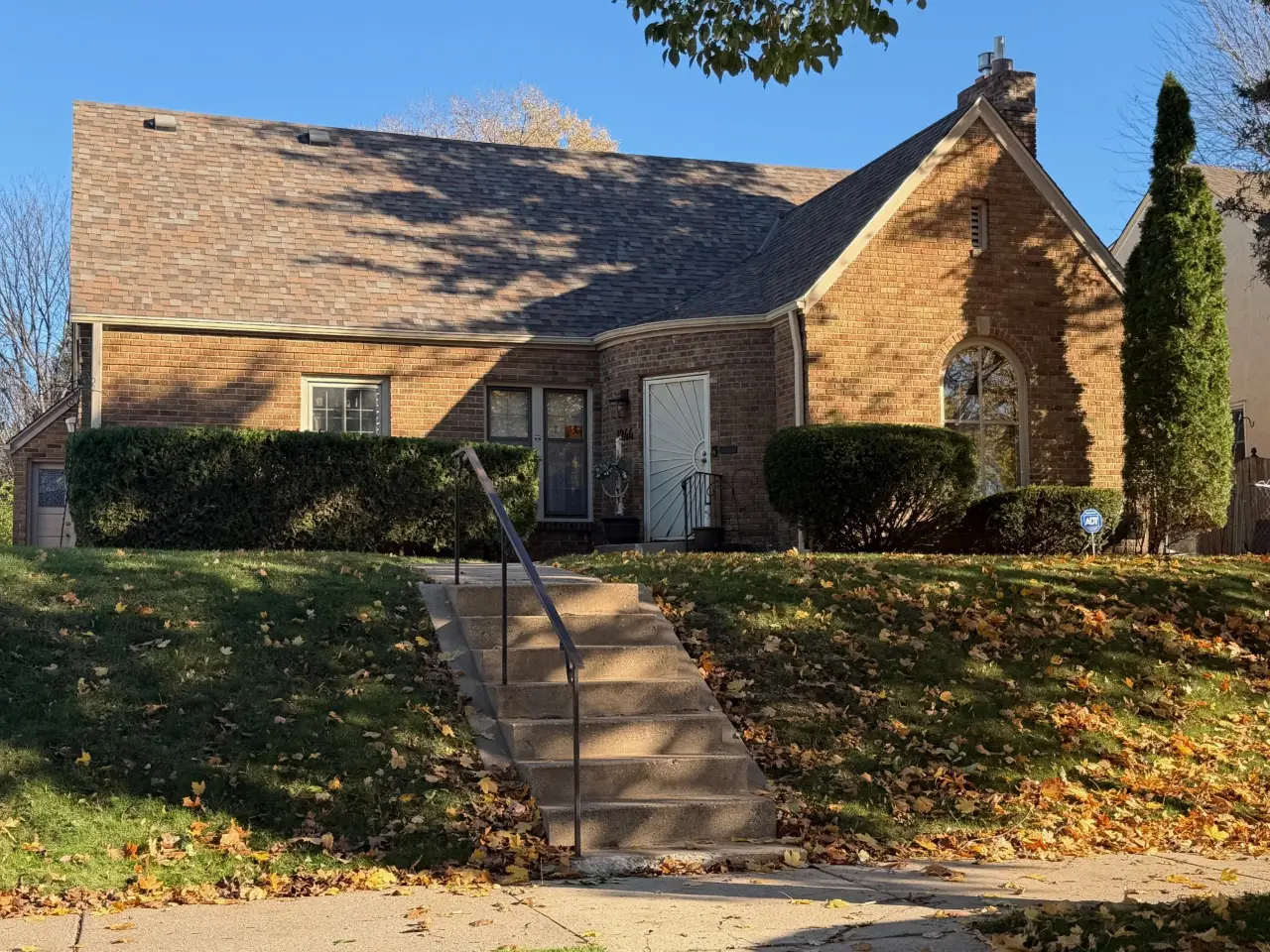
For André’s part, while coming of age “over north” as the colloquialism goes, he was already convinced that one day he’d be famous.
“I would tell everybody that I knew, I’m going to be a star,” he recalls, “I’m going to take the Jackson 5 out. I’m taking everybody out.”
That level of confidence might sound a bit audacious out of the mouth of a teenager, but André wasn’t waiting for permission. Nor was he necessarily seeking anyone’s blessing.
Music was already an integral part of the family environment. His father, Fred Anderson, Sr., played the bass. His mother, Bernadette, nurtured a household where music, creativity, and community were seamlessly woven together. And André had an upright bass, his father’s, available to him from a very young age, despite Mr. Anderson’s preference that his son didn’t play it.
So naturally, as curious and precocious kids are apt to do, André “snuck and played it anyway,” before eventually getting his very own bass guitar.
The youngest of six children, he also absorbed all the records at his disposal, everything that his parents and siblings added to the family’s collection. And then André started experimenting with something that would become essential to his musical identity and evolution. He found himself getting bored repeatedly practicing the same old bass lines and eventually realized that he could compose horn patterns, even trumpet and saxophone solos on the bass.
That approach helped André craft a style that was distinctly his own. And then came Prince.
By the time Prince came to live with André and his family, the two friends had been playing music together already and serendipitously discovered that their fathers were in a band together before the two of them were even born. And now that they were under the same roof, the aspiring young musicians began developing ideas together. They played. They experimented. They recorded their own demos. They tried unconventional things simply because they were curious about how it might sound.
They were just teenagers. Nevertheless, they were also building something, something big. Neither knew much, if anything at all, about the music business yet, observes André, “We would just jam.”
That innocence wouldn’t last forever. Eventually, André would come to understand that ideas have ownership, grooves have authors, and indeed, music is for better or worse, a business.
But again, before all of that, it was all about the music.
The music that Prince and André, along with their band Grand Central, took out into the neighborhood. To places like The Way, Phyllis Wheatley Community Center, the Ruth Hawkins YWCA, school dances, fashion shows, backyard barbecues, house parties, and North Commons Park where summertime Battle of the Bands were commonplace. And the music that was created in André’s basement (and sometimes attic). For André, that is where the Minneapolis Sound was spawned. And moreover, what gave the Minneapolis Sound its essence.
Which is more than just a particular style of instrumentation, specific production techniques, this type of synthesizer or that model drum machine. Sure enough, it’s still all that. But it’s also an ethos born from a pair of musicians having both the ability and the necessity to create everything by themselves.
“If you can play all the instruments,” he asserts, “you can deliver your own vibe.”
And it goes without saying that both Prince and André were nothing if not multi-instrumentalists. Each of them uniquely skilled at building tracks from the ground up, not only shaping the sounds but the attitudes and personalities behind those sounds.
“Me and Prince, because we both had such a crazy sense of humor, we created all these characters in our heads. We would just do silly s#!t. Have a lot of fun, ” André explains, “Because, I mean, at the end of the day it’s still entertainment. But that’s really part of the character of the Minneapolis Sound.”
In other words, the music wasn’t simply being assembled. It was being inhabited.
Can anyone say “Jamie Starr?”
Not long after Prince signed with Warner Bros., he made his way west to the famed Record Plant where he would record his debut album, insisting that André join him out in Sausalito.
While most managers would have “freaked out” at such a request, concerned that it’s going to create an extra expense or other logistical issues, Prince was, by that time, used to getting his way.
“They were connected on a level that was very rare. And both talented as all get out,” recalled Prince’s first manager, Owen Husney, speaking to Minneapolis-based journalist and music historian, Andrea Swensson, in 2018, “There was no question that André should be there with us. They (Prince and André) were kind of musical soulmates.”
For You was released in April of 1978, reaching number 21 on the Billboard Soul Chart. Then began the road to the Capri.
That First Capri Moment
Following promotional stops in cities such as Chicago and Charlotte, Prince started to put together a band which indubitably meant André on bass. As he auditioned the others, they simultaneously started rehearsing, first at Del’s Tire Mart and later in Pepé Willie’s basement at 3809 Upton Avenue South, pretty much all day, every day through the end of the year. And now they were ready to take that music beyond the basement, so to speak, both André’s and Pepé’s.
And the Capri was to be the proving ground.
“Smitty (Ira Smith, Jr.), the guy who ran the Capri back then was so cool,” remembers André, “We could have done it other places… but he knew what it meant to us, why it was important for us to do it there.”
The Capri had long been part of the landscape shaping André’s youth. As a teenager, he remembers sneaking into the theater “because I didn’t have a whole lot of coin,” to see classic movies like Night of the Living Dead, Shaft, and Super Fly. He knew the Northside intimately. The sidewalks, the alleys, storefronts, corners, and stoops where neighborhood life played out.
“You know, I literally ran these streets, literally.”
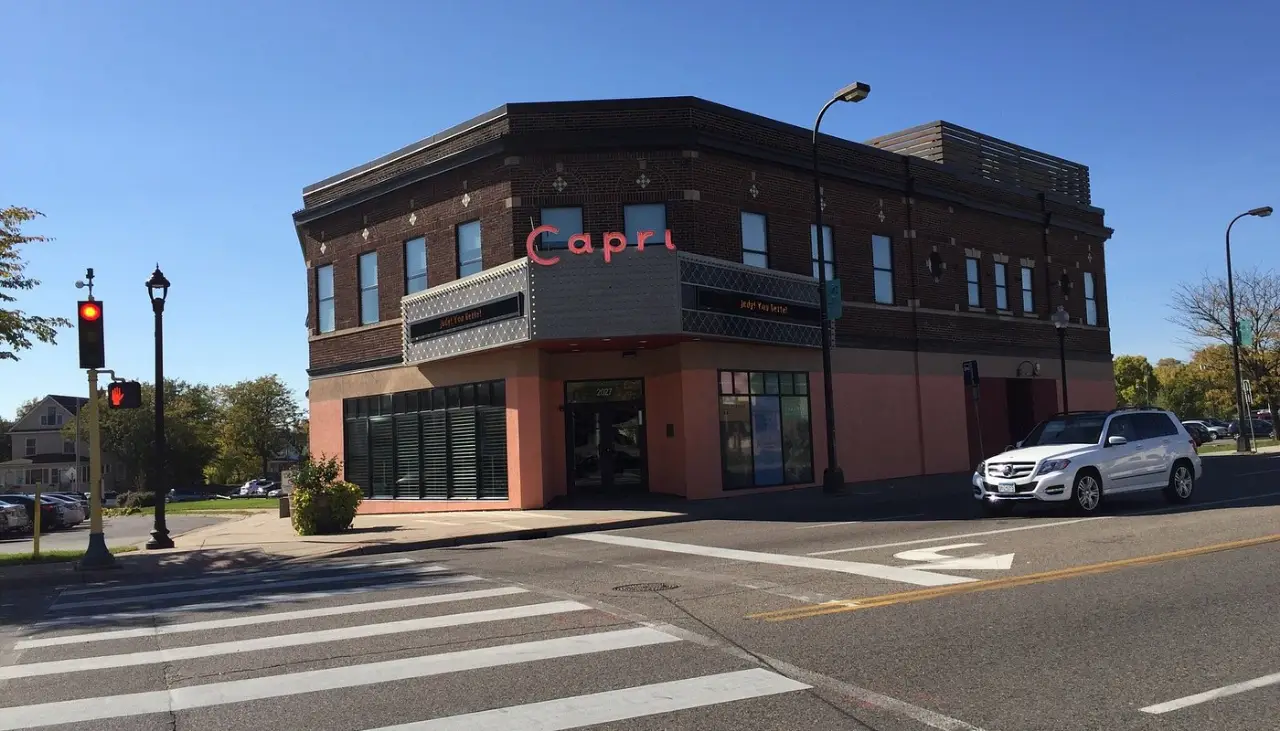
So, the Capri was, unequivocally home to both Prince and André. And just before they took the stage that Friday night in January 1979, emcee and KMOJ deejay, Kyle Ray, whom André and Prince grew up listening to on KUXL, proved eerily prophetic in his introduction when he proclaimed, “The power and the glory, the Minneapolis story!”
That weekend didn’t quite go as Prince had planned, and Mo Ostin, Barry Gross, and Russ Thyret visiting from Warner Bros. weren’t convinced that their musical prodigy was ready to go out on the road just yet.
So, as ambitious, talented and well-rehearsed as they were, the band was still finding its way. And in Prince’s case, he was stepping into a spotlight unlike he’d ever known before. And there was some initial stage fright.
“It was his first time being out front, so he didn't know if he was going to be able to do it,” says André, “He wasn't quite sure how to navigate it yet. But obviously, he worked it out.”
It was André’s signature bass style that helped drive Prince’s first three records (For You, Prince, and Dirty Mind), as well as an equal number of tours. And in the summer of 1981, following their final dates together in Amsterdam, London, and Paris, he left Prince’s camp to launch his own solo career.
But André’s influence didn’t end there. It was his supremely funky bass groove which grew out of rehearsals that built what was to become the title track to Prince’s fourth album later that year, Controversy. Not to mention that you can hear André’s musical DNA all over songs from that record such as “Sexuality,” “Private Joy,” and “Let’s Work.” And then, of course there is, lest we forget, “Do Me Baby.”
Making Waves
Now out there on his own, André had plenty of reasons to leave that part of his musical identity behind, in spite of what the record companies may have coveted. Thus, as Prince and his new side project, The Time, whose music and aesthetic André also helped conceptualize stayed the course, André made the decision to pivot.
“Okay, I’m gonna let y’all have that lane,” André remembers, “And so, I came up with something altogether different… the new wave thing.”
His first solo record, Livin’ in the New Wave, was released on Columbia Records in February 1982, didn’t make the commercial splash that one might have hoped. Even Prince got in a playful jab at his friend during a spoken interlude (“We don’t like new wave”) between two tracks on The Time’s second record.
Notwithstanding, the album garnered praise from fans and critics alike for its autonomous, bold, experimental approach that placed new wave at the forefront, while still weaving in elements of rock, soul, and funk, punctuated by a rebellious, punk rock spirit.
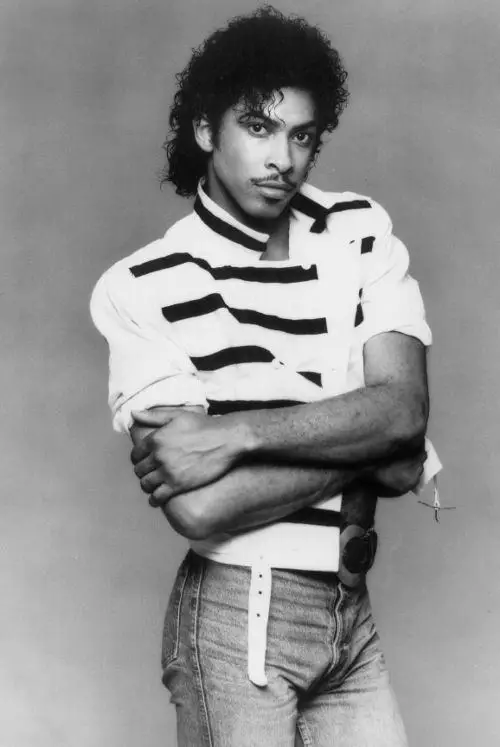
“So Fine,” though soaked in new wave synthesizers, still comes off as one of the most muscularly funky tracks of the entire decade. And the “Baby Don’t Go,” rivals The Time’s “Girl” as one of the era’s most hauntingly beautiful breakup ballads.
Survivin’ in the 80s followed the next year, giving the world a glimpse into André Cymone, the activist artist, and then came 1985’s AC, featuring “The Dance Electric,” his highest charting single on the Columbia label.
It was around this time that André’s frustration with the music business came to a head, an industry that seemed determined to only view him through the lens of Prince and the sound he helped create rather than on his own terms. To André, he’d already done that. This (new wave) is what he was doing now. So, why would he try to copy his friend? He simply refused to compromise his principles or his individuality.
“I don’t want to do this anymore, that’s not why I’m here,” André notes when reflecting on his decision to step away from what was still a promising solo career.
“If they knew me as an individual they’d have known I take my individuality extremely seriously. I wasn't in it for money. I wasn't in it for fame. I wasn't in it for the girls or whatever. I'm a musician. Not only a musician, but an artist. And there's a big difference, you know, between an artist and an entertainer.”
By the time that moment arrived, André had already written and produced four tracks for Evelyn “Champagne” King’s record Face to Face, including the hit “Teenager,” while establishing his own side project, The Girls, whose 1984 album Girl Talk, has achieved mythic status among collectors and music historians.
Moving forward, André built a remarkably diverse and successful résumé as a songwriter, arranger, producer, and multi-instrumentalist, working with both new and established artists across genres and generations. From Tina Turner to Tom Jones, Jody Watley to Jermaine Stewart, Adam Ant to Eric B & Rakim, Club Nouveau to Vanessa Williams, Pretty Poison to Pebbles, and The Chaenge to The Party, among others, André defied musical conventions, refusing to let category or expectation dictate the boundaries of his artistic vision.
This is to say nothing of his contributions to platinum selling film soundtracks such as Beverly Hills Cop II, Days of Thunder, and White Men Can’t Jump. Plus, he found the time to join his own supergroup, The Mighty Soulmates, which also featured: The System’s legendary Mic Murphy; Gardner Cole, who co-wrote, among other hits, Madonna’s number one single, “Open Your Heart,” and fellow Minneapolis music royalty, St. Paul Peterson.
André the Activist
It would be sometime before André returned to the stage as a live performer, much less a solo career. However, after headlining the Arms Around the Northside festival in 2011, at the corner of Plymouth and Penn avenues, just a stone’s throw from the North Minneapolis home that he (and Prince) came of age in during the 1970s, he returned to the recording studio as a solo artist. This time, on his own terms.
In 2012, André released the anthemic rocker “America,” underscoring his social and political consciousness in support of President Barack Obama’s re-election campaign, a through line stretching back to the title track of his sophomore record, Survivin’ in the 80s, an acute commentary on the early years of the Reagan administration.
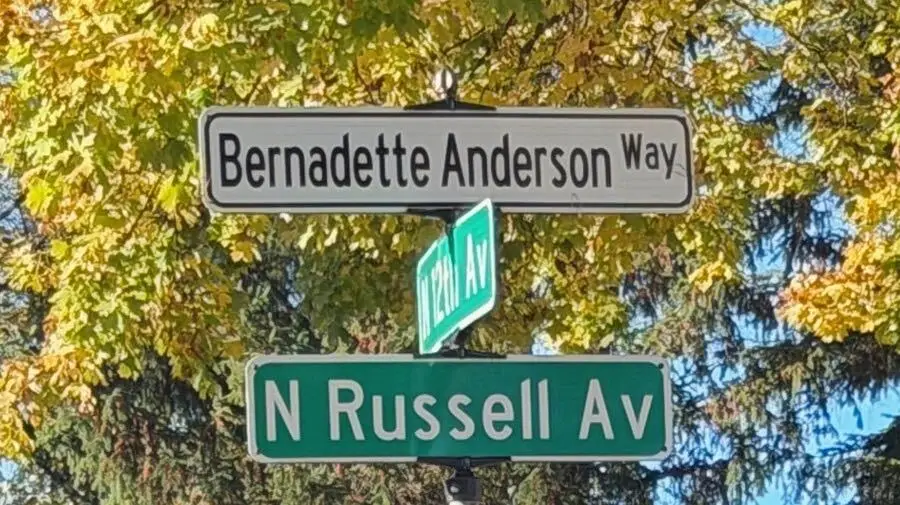
A string of one-off singles followed, including “American Dream,” “Trayvon,” “Vote,” and the soulful acoustic composition “My Best Friend,” dedicated to his mother, the late Bernadette Anderson, who, in addition to her status as the Matriarch of the Minneapolis Sound, was similarly a civil rights legend in the Twin Cities.
André’s first solo studio album in 29 years, The Stone, earned critical acclaim upon its release in 2014. A four-track EP, Black Man in America, came next, bringing the nation’s enduring struggle with racial injustice into sharper focus and setting the stage for what would become his most fully realized political statement, 2017’s 1969, which one reviewer hailed as “one of the most remarkable albums to come down the turnpike in quite some time.”
There was an era when it was more common for artists to build an entire record around the struggles of that moment, using music to reflect the times they were living in, while refusing to accept them. And back when André was thumbing through his older siblings’ vinyl records, discovering music at the same time Civil Rights, Black Power, and other social movements were in full swing, he was absorbing not only the sounds of the era, but the revolutionary spirit that would find its way into his own music.
“That’s what my music is always about,” he says, “I’m a musical activist on so many different levels.”
Reclaiming the funk
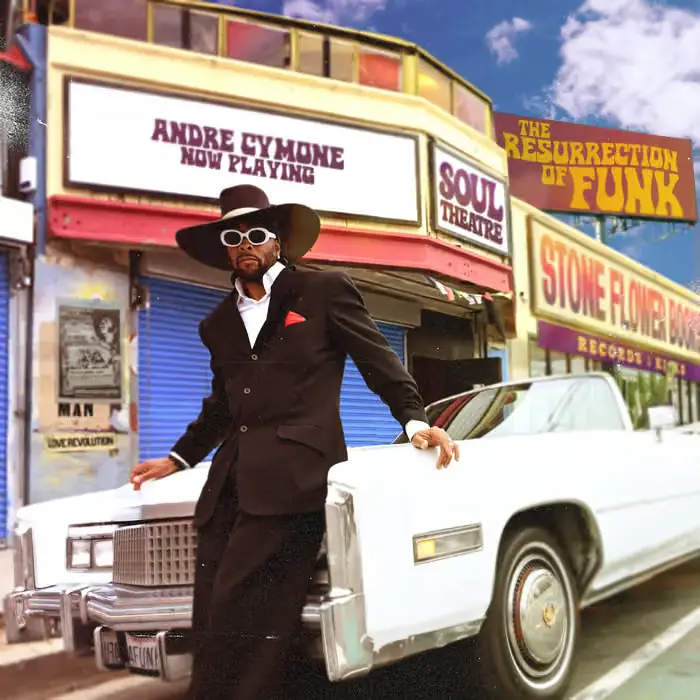
If 1969 represented André’s return to music as a vehicle for social commentary, his latest album, The Resurrection of Funk, represents another sort of homecoming: a return to the sound that has been part of him all along.
One doesn’t have to venture too far to establish André’s funk credentials, even prior to his time in Prince’s band and the launch of his solo career. Just listen to some of his earliest compositions, like “Thrill You or Kill You,” and “Somebody Said.” And now it was time to bring that sound back.
“I wanted to reclaim my funk,” he declares, “I love funk. Live, breathe, eat, you know. And always did.”
But this is not a nostalgia trip nor an attempt to recreate the past. For André funk is more than a particular rhythm or bass line. Funk is a language, a way of communicating across cultural boundaries, directing people to the dance floor while also giving them something to think about, something to act on.
He points to legends such as James Brown, Curtis Mayfield, Sly Stone, and the Isley Brothers, artists who understood that a groove could also carry messages about pride, unity, and possibility. A conversation that still matters today, perhaps as much if not more than it ever has.
“I want to flood the zone with funk,” adds André.
An ambition that is backed by an abundance of new material. He recorded 67 songs during these sessions, far more than could fit on a single record. So, rather than narrowing the vision, André chose to expand it. The Resurrection of Funk, Volume II, is due out soon with the possibility of a third installment to follow.
Making this music also gave him an opportunity to reflect upon and refine the creative independence and experimentation that has defined all his solo output over the years. Not only did he play every instrument, compose and arrange each part, sing every vocal, and double as “The Funk Forecaster (O.G. D.R.E.),” André also mixed his own album for the very first time.
In bringing decades of experience back to the music he loves most, exercising complete creative control, he wants a new generation to discover the same thing that he did as a young musician. That funk lends itself to so many different things. Funk is fun, defiant, liberating, and resilient. Funk is a philosophy, it’s life affirming, and a vehicle for something more.
Coming Full Circle
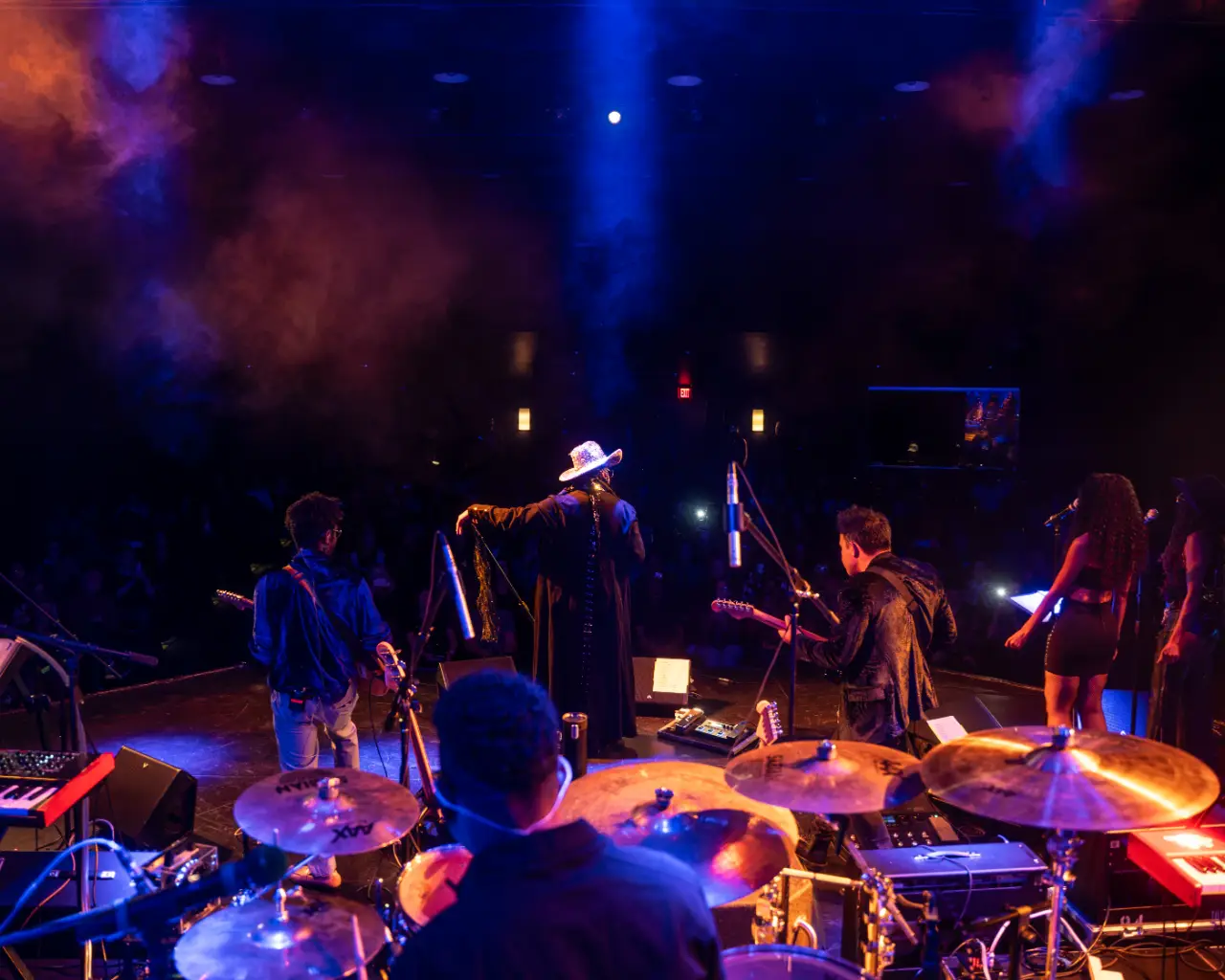
On Saturday night, October 3, André Cymone brought The Resurrection of Funk to life at the Capri, nearly half a century after sharing that same stage with his friend. The audience in 1979 couldn’t possibly have imagined just how far the music they were witnessing would travel or how profoundly it would change our world. They might have simply thought they were watching a group of exceptionally talented musicians, led by two kids from the Northside.
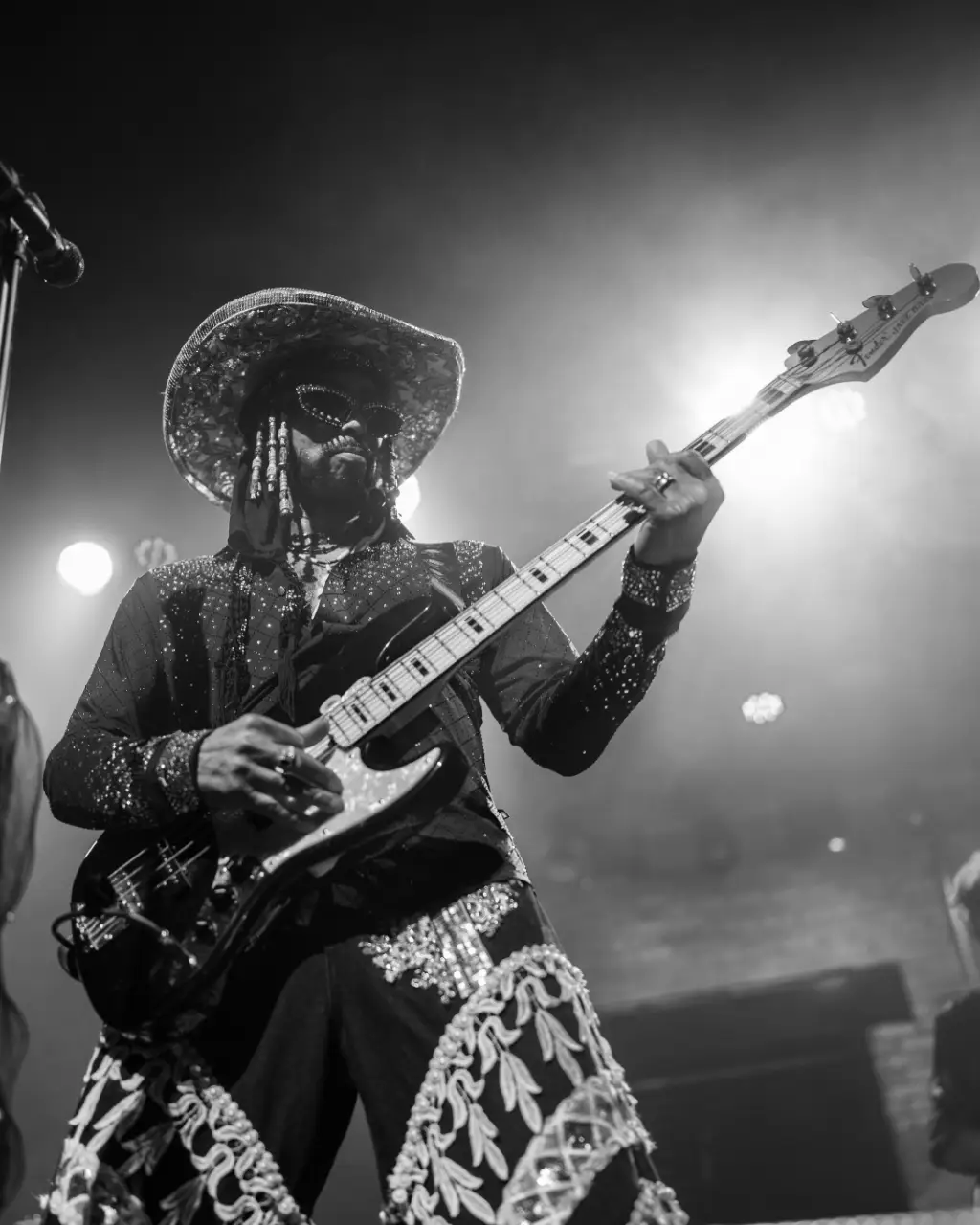
Now, in 2026, André was back home at the Capri, where he helped launch one of the most visionary crusades in music history, before anyone even knew what to call it. And this time he stood on stage as the headliner.
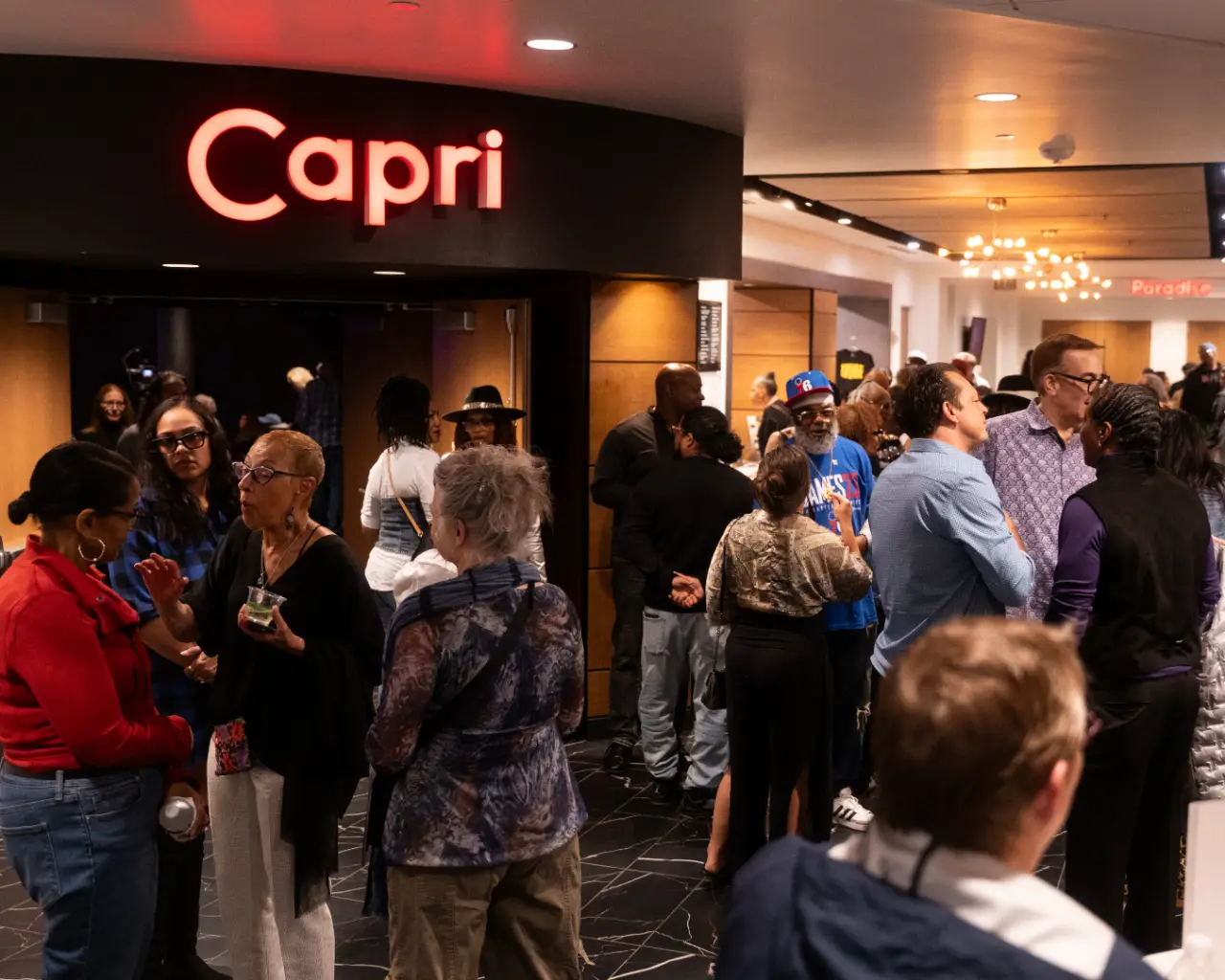
The concert sold out. Not a single seat left in the house.
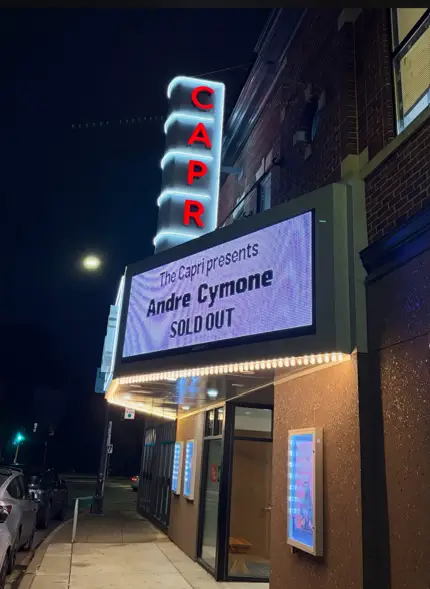
And although her introduction may have lacked the prophetic quality of Kyle Ray’s words 47 years earlier, Capri Director, Maija Garcia, still struck the right chord when she called André “one of her favorite people on the planet,” a sentiment that resonates well beyond the Northside.
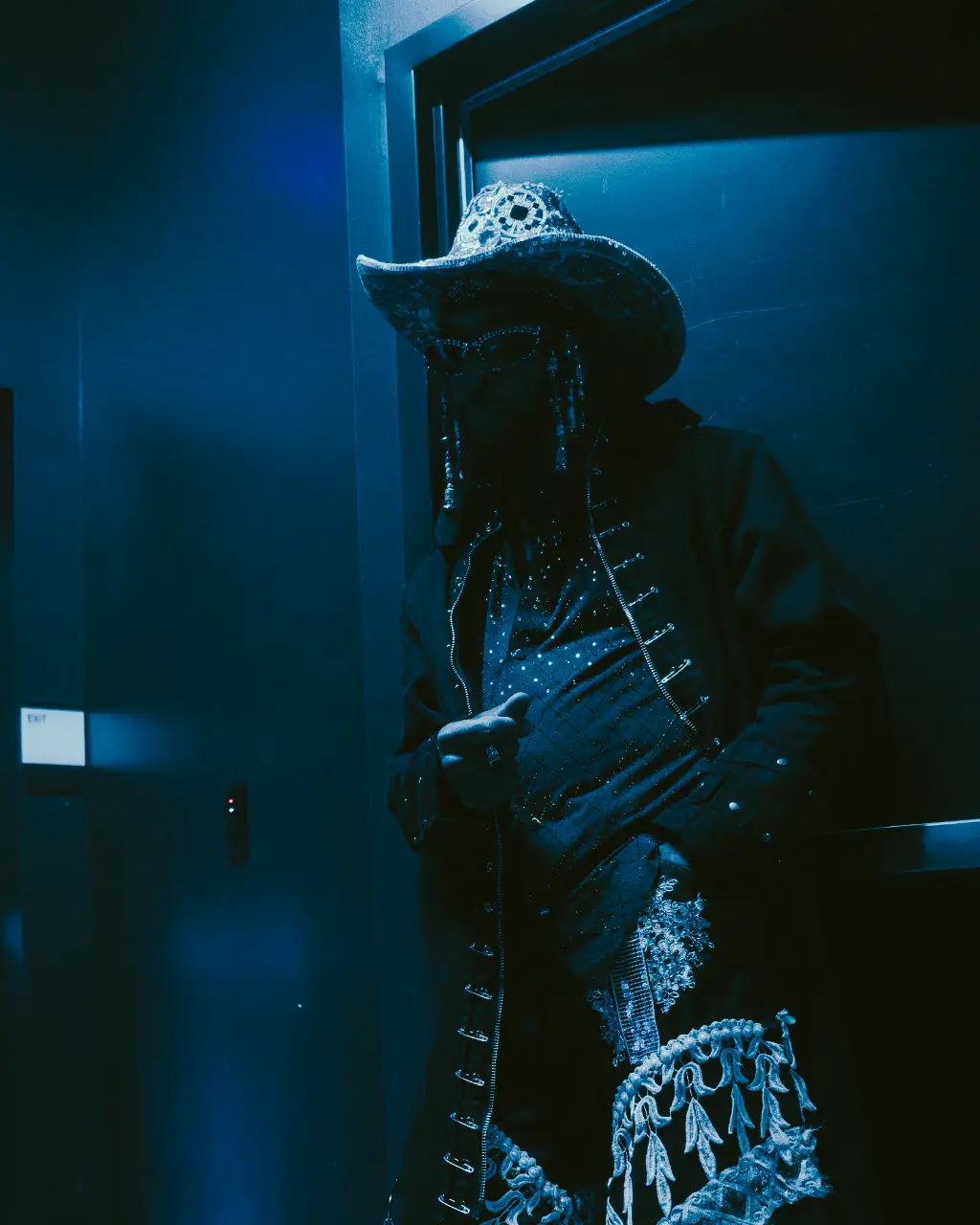
André’s new eight-piece band, dubbed the Funk Savages, at least for the night, included musicians from Los Angeles, the Bay Area, and a pair of singers right here from home. A few had performed with André before, while the others belonged to a younger generation raised on the music that he and Prince popularized. And although the band had relatively little time to rehearse, first in North Hollywood and later in Minneapolis, that left some room for experimentation and the kind of chemistry that develops in real time, especially when it comes to the funk.
And that all came through as André and the band kept the energy up all night, with songs from the new record including: “The Resurrection,” “Funk is Alive,” “Turn it Up,” “Rock Star,” the soulful, slow groove “Inside Velvet Jones,” and a nod to Gil Scott-Heron with “The Revolution is On Yo In ‘O’ Net,” the latter of which closed the night segueing into an extended refrain from Sly’s “Thank You (Falettinme Be Mice Elf Agin).”
In between there were plenty of highlights and surprises, such as “She’s Always in My Hair,” “Let’s Work,” “The Dance Electric,” and what André referred to as his favorite Prince song, “Automatic.” And the audience was treated to one of the funkiest, most Minneapolis sounding songs from the 1980s, a slinky rendition of “Still a Thrill.”
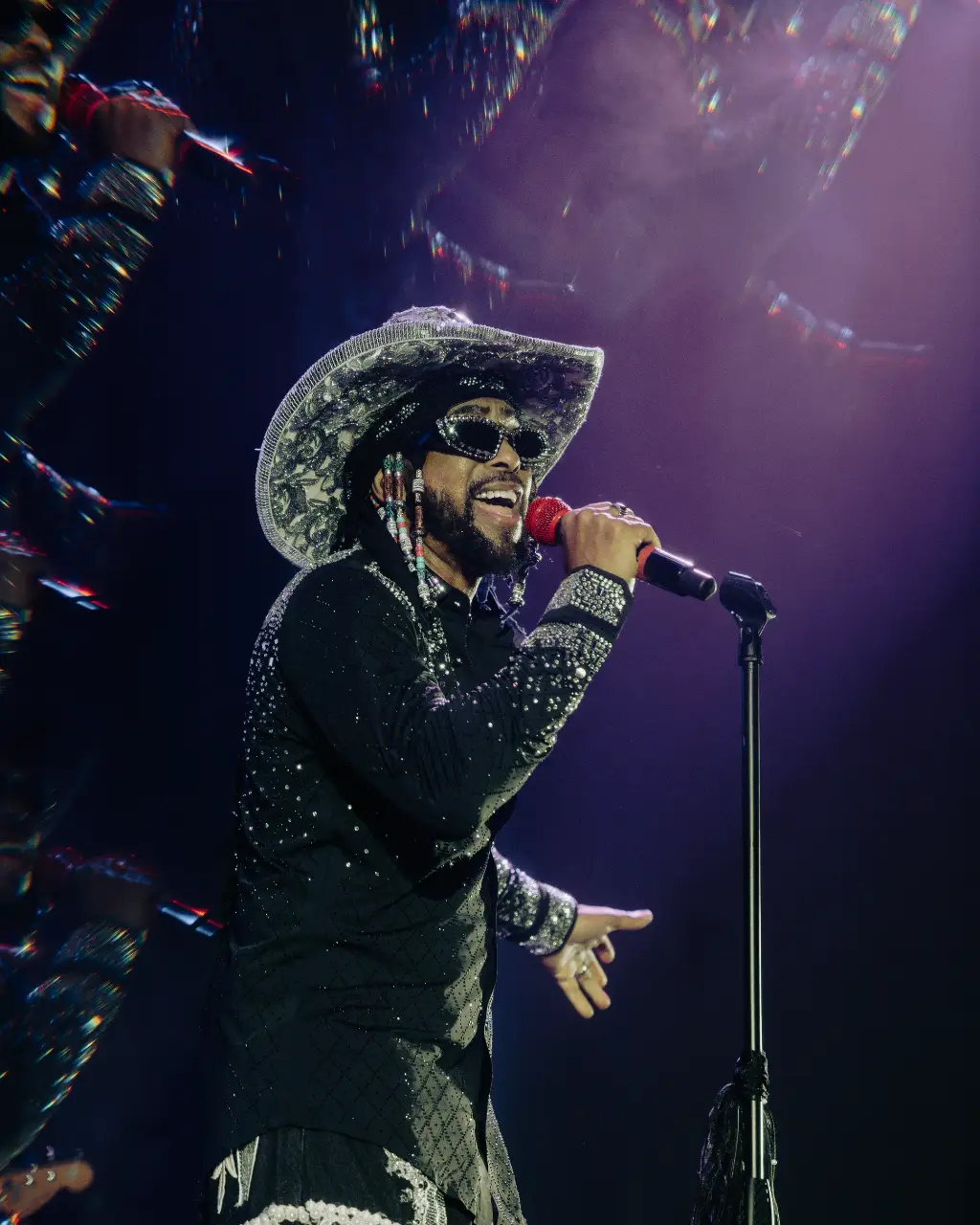
For those fortunate enough to experience The Resurrection of Funk, live at the Capri, it was a night of music and memories, but moreover, a moment when Minneapolis music history seemed to fold in on itself. The teenager who used to slip into the theater to watch movies was now commanding the room, this time with a vision all his own.
“The Future Is Funk” was more than a tagline for the night. It was a statement of purpose.
André’s return likewise launched CAPRI 100, a twelve-month showcase celebrating a century of music, history, and community in North Minneapolis. And this occasion brought his own history even further into focus. The Capri was an essential part of the ecosystem that shaped him, and it has since evolved from a neighborhood movie house and sometimes music venue, into a broader cultural and educational institution, creating opportunities for young people to experience the arts, learn new skills, discover their passion, and dare to dream.
Naturally, André recognizes the value of such places having grown up in a home where creativity flourished and his goals and aspirations were given life. And as the Capri begins its next century, that legacy lives on in the generations of Northsiders who have gathered there and in the youth that are finding new possibilities within its walls.
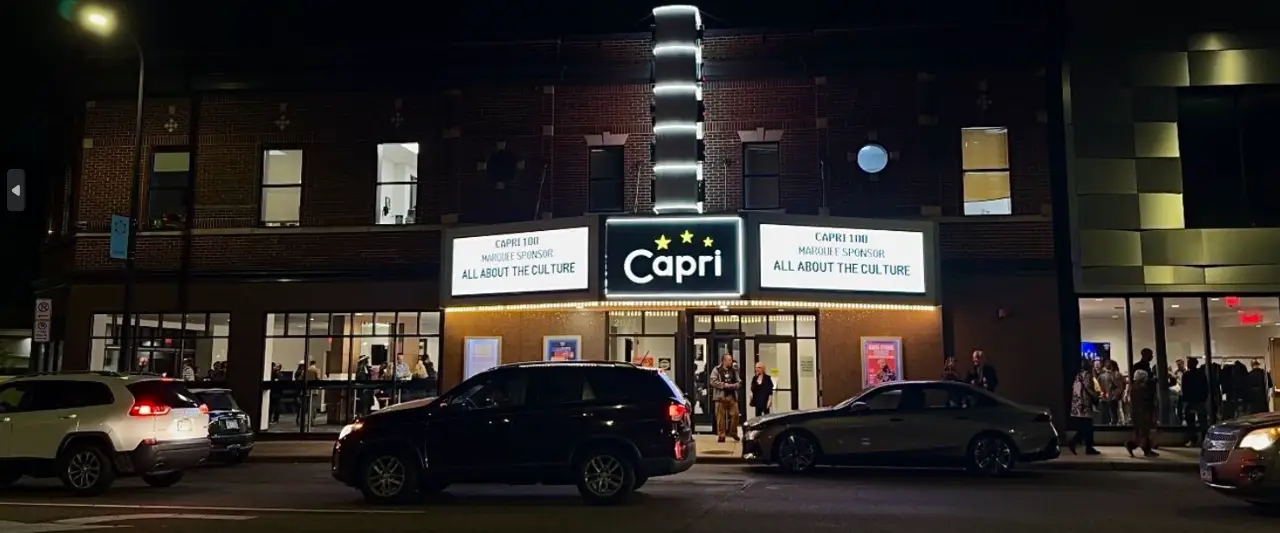
“I’m blown away,” he states when taking in what the Capri has become today, “I'm blown away because the community has always needed something like this. We've had things like it, you know, like the Y(WCA) with my mom, who had a lot of different programs.”
“But today, this place is a hub for it all,” continues André, “So I understand its importance, especially right now, considering the world we’re living in. Thanks to the Capri, kids, you know, they’ve got options. They can dance, they can sing, they can perform. Kids can dream. And it’s all right here in the neighborhood.”
Growing up, the Capri was a nerve center of Northside life for André and others. Decades later, it still is.
So, What’s Next?
For André Cymone, the Capri concert was not a bookend to a remarkable career, but rather a starting point. It represents a new chapter both as a performer and studio auteur.
More live shows are on the way. More music too, beginning with The Resurrection of Funk, Volume II, due out soon. And then potentially, per André’s own words, a third installment. With so much material and inspiration still at his fingertips, André has no intention of “closing up his tent” anytime soon.
“This is a record I probably should have done a long time ago. But it’s almost more appropriate now because of all the things that have transpired,” he remarks, “I think it really makes a statement with what’s going on in the world and with where I’m at musically. And it also says you’re never too old or too young to be funky.”
André is looking toward the silver screen as well, having recently discussed plans for a film that explores his formative years and the family home where the Minneapolis Sound began to take shape. And when All About the Culture’s Alexis Rogers wished aloud that the walls of 1244 Russell Avenue could talk, he let her in on another project: a book. “Those walls will talk,” promises André.
Of course, André’s career has never followed a straight line. He helped create the phenomenon we know as the Minneapolis Sound, and then unapologetically pursued another direction when others expected him to stay in a well-established lane. He revived the tradition of the socially conscious concept album, a form that, despite its immediate and pressing need, had largely fallen out of fashion. And now he’s reclaimed the funk. And across all of these chapters, the vision and conviction have remained the same: create on his own terms, follow his instincts, and let the music say what it needs to say.
When contemplating what music might offer in the years ahead, André sees the possibilities that exist beyond traditional performance and recording models. Music therapy is one area that interests him most, guiding his belief in music’s ability to affect our emotional lives.
As a teenager, he would often compose music designed to regulate his mood, reaching for something upbeat when he needed a lift or a prettier melody when he sought calm. All the same, music has always been more than entertainment to André, its power is in its ability to connect people, help them process their experiences, both good and bad, and offer something that words alone sometimes can’t.
So, there is something especially fitting about André bringing The Resurrection of Funk home to the Capri as it sets the stage for its second century. The place where he stood beside his friend, setting out on a road that neither could have imagined would lead so far, reshaping popular music along the way and putting Minneapolis’ indelible stamp on the world’s musical map.
For the Capri, the night marked the beginning of a full year celebrating a century of history, cultural expression, storytelling, neighborhood pride, and so much more. And for André, it introduced the latest narrative in a career that shows no signs of slowing down.
The Capri helped to shape the story and the music in 1979. It continues to make room for more in 2026 and beyond.
And André Cymone intends to keep adding to both.
More stories. More music.
The future is, indeed, FUNK!
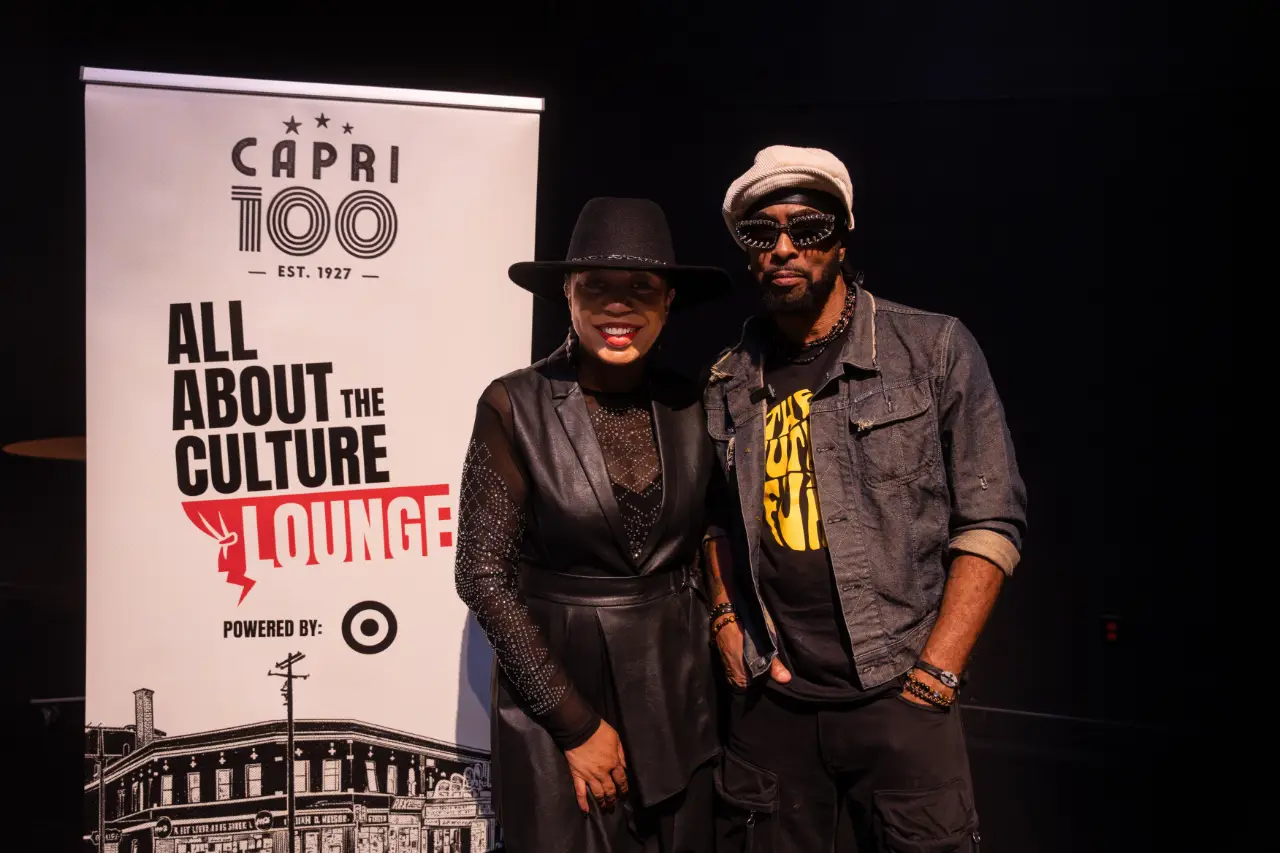
In the days leading up to André Cymone’s October 3, 2026, homecoming concert at the Capri, All About the Culture went behind the scenes to capture the music, memories, and meaning surrounding this landmark moment in the history of the Minneapolis Sound. The team first sat down with André during rehearsals in North Hollywood, where Grammy-nominated recording artist, Darnell Davis, talked with André about his indelible musical influence over nearly a half century. The dialogue continued in Minneapolis the day before the concert, when Emmy Award-winning journalist Alexis Rogers interviewed André at the Capri about his roots, his return to funk, and what lies ahead. Emmy-nominated reporter Kiya Edwards brought additional storytelling to a visual retrospective that connected André’s groundbreaking past with his creative future.
Together, the conversations explored André’s contributions beyond his early years alongside Prince, including his new album, The Resurrection of Funk, his evolution as a musician, songwriter and producer, and his vision for the future. The Capri, the North Minneapolis treasure where André and Prince helped lay the groundwork for a sound that would reach audiences worldwide, provided a fitting backdrop for the sold-out concert, which officially launched CAPRI 100, commemorating a century of music, arts, culture and community. As the marquee sponsor of Capri 100, All About the Culture spotlights the institution’s enduring role in Northside cultural life and the people, places and creative legacy that continue to shape the city’s history.