The Unspoken Brotherhood: Inside the Ranks of Vietnam's First All-Black Long Range Reconnaissance Patrol Team
9 min read
An advance screening at Minneapolis' historic Capri Theater brings generations of Black veterans together to reflect on service, sacrifice, racial injustice, and the lasting effects of war.
There are few years in American history that have been as tumultuous as 1968. The assassinations of Dr. Martin Luther King, Jr. and Robert F. Kennedy, separated by just 64 days, shook the nation to its core. The chaos around that year’s Democratic National Convention in Chicago became a flashpoint for political dissent and police violence. And the Civil Rights, Black Power, and antiwar movements, among a host of others, were in full swing.
It was against this backdrop that a group of young Black soldiers found themselves halfway around the world in Vietnam as members of the U.S. Army’s first all-Black special operations unit. They had enlisted to serve their country. However, the America they were fighting for still hadn’t recognized them as equal citizens. And even in the jungles of Vietnam, these men encountered entrenched racism from their fellow troops.
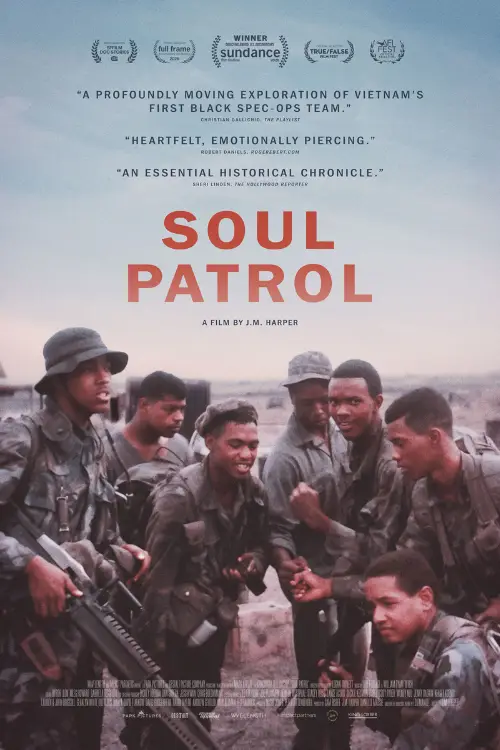
Their story, which they were never supposed to share, largely went untold for more than three decades. Today, it is the subject of a powerful new documentary, Soul Patrol, that examines this little-known chapter of American military history and the experiences of that particular Long Range Reconnaissance Patrol (LRRP) team deployed to Vietnam in June of 1968.
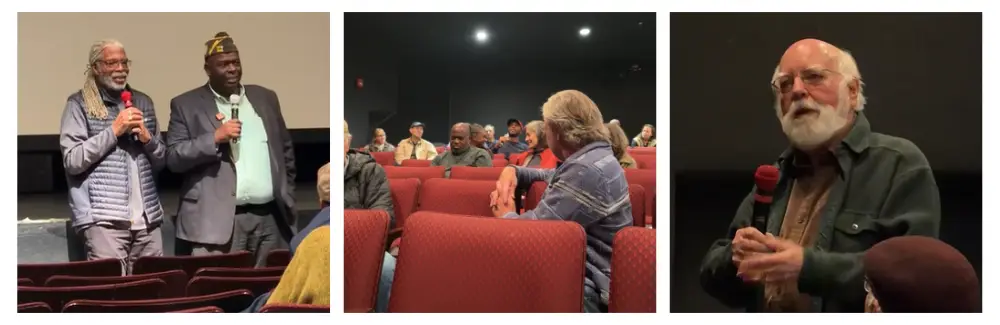
On Thursday, November 5th, All About the Culture joined veterans and community members alike at the Capri in North Minneapolis for an advance screening of the film before it opened in theaters nationally. Presented in partnership with the MSP Film Society and the Minnesota Historical Society, this Capri First Thursday Films event offered an important opportunity to revisit a period of history that deserves greater attention, while similarly considering the experiences of Black service members across generations.
And what made the evening particularly meaningful was that Soul Patrol didn't only prompt a discussion about the Vietnam War. It opened the door to conversations about race, military service, the psychological effects of combat, and the complicated relationship between serving America while simultaneously fighting for equality within it.
A Story 35 Years in the Making
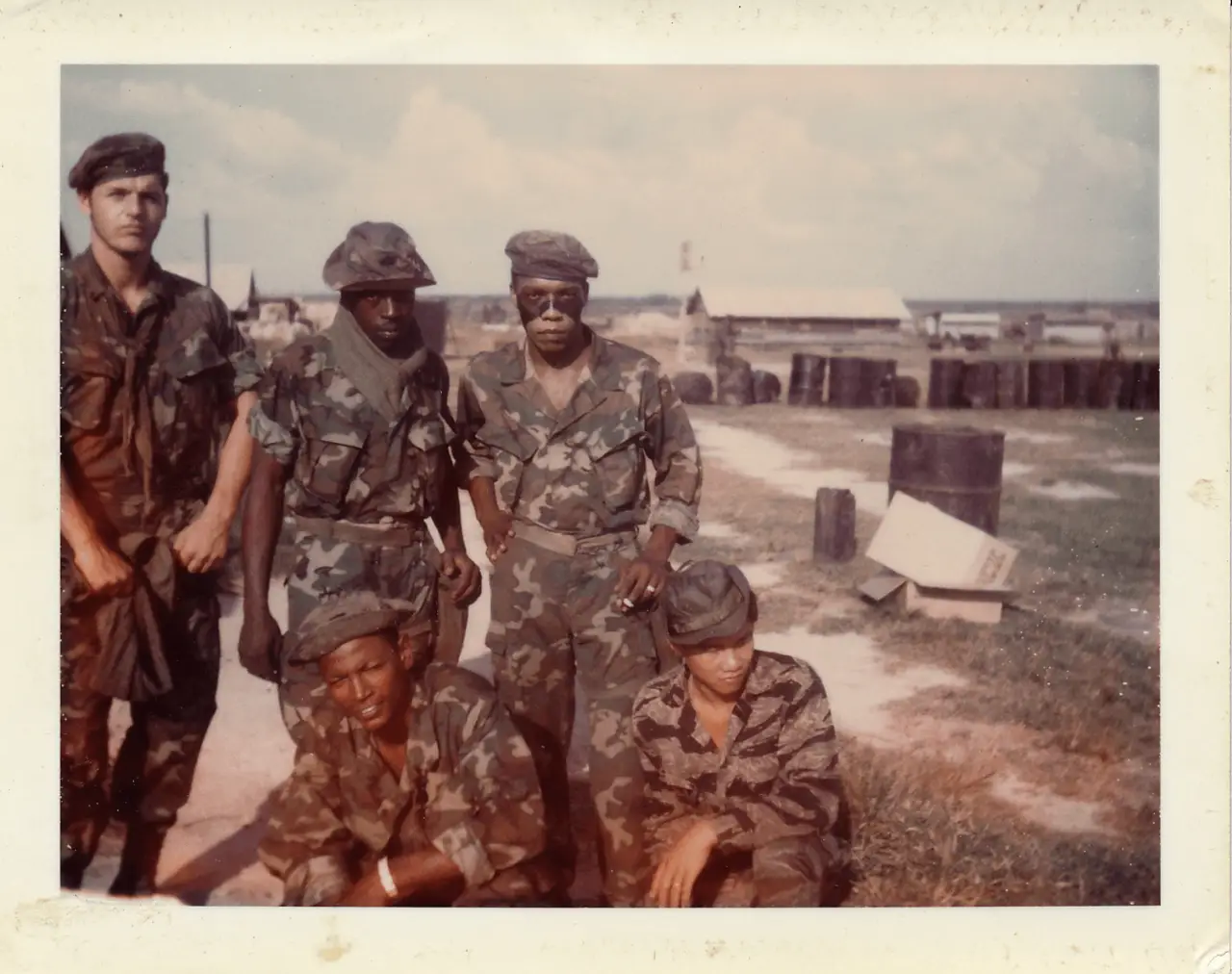
Directed by Peabody and Emmy®-award nominee, J.M. Harper, Soul Patrol is based on the 2003 memoir of the same name by Ed Emanuel, which chronicles the experiences of Team 2/6 of Company F, 51st Infantry, the all-Black unit assigned to some of the most dangerous reconnaissance missions in Vietnam.
Operating deep behind enemy lines in the Cu Chi region, one of the Viet Cong’s most heavily patrolled strongholds, the men of Team 2/6 faced both explosive and non-explosive booby traps, numerous ambush strategies, hit-and-run attacks, and the constant threat of death. Their missions demanded extraordinary courage, discipline, and an absolute reliance on one another.
The timing of their deployment adds yet another dimension to their story. These men were in basic training at Georgia’s Fort Gordon the night Dr. King was assassinated in Memphis. And it was on their flight to Vietnam that they learned Robert F. Kennedy had been killed.
After returning home, the men soon lost touch with one another, as the difficulty of readjusting to civilian life and lingering weight of their wartime experience pulled them in different directions. Three decades would pass before Emanuel began to contemplate how he might reconnect with the brothers with whom he had shared so much.
The only problem was that he didn't know how to find them. But he had an idea: Perhaps, if he wrote their story, they would find him.
And they did.
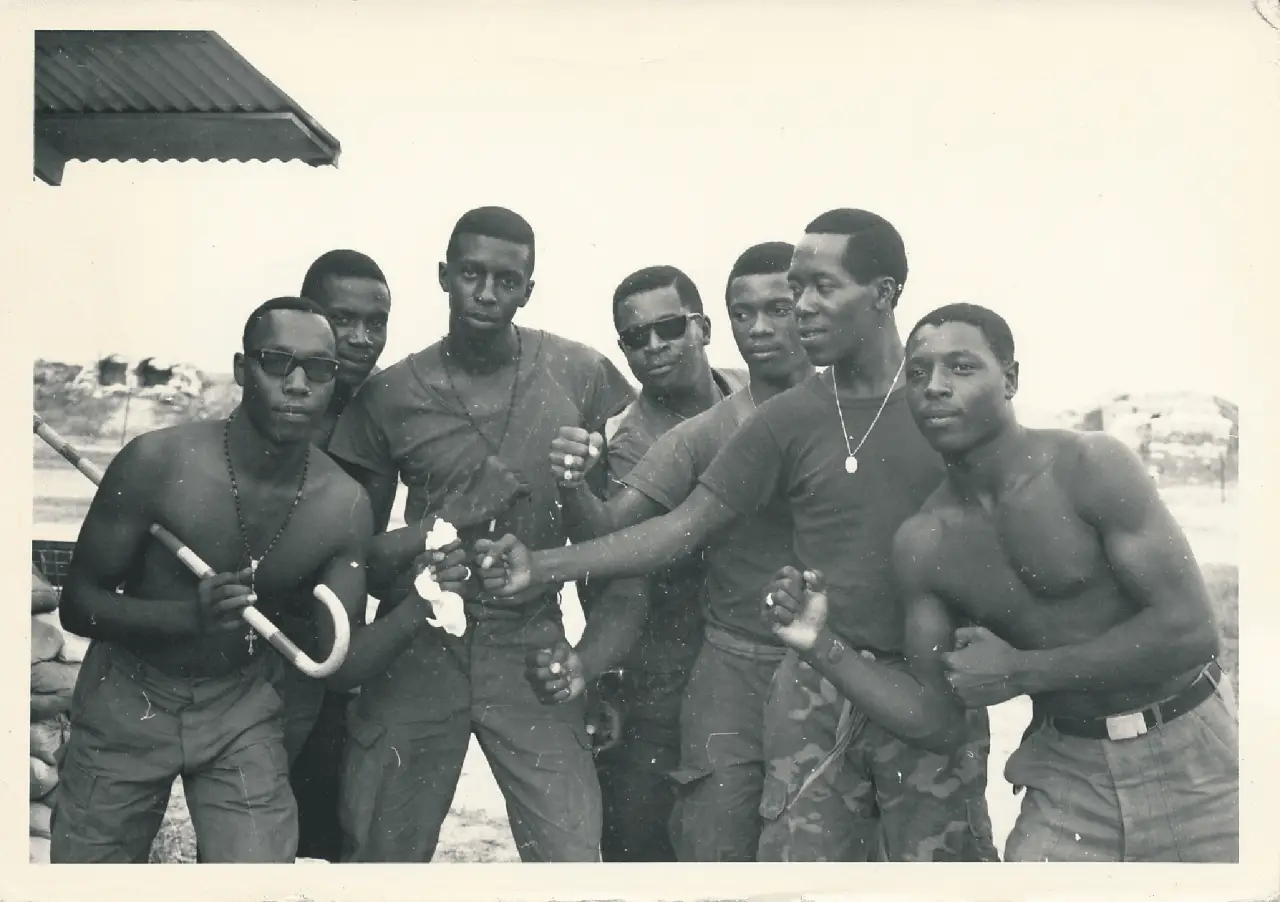
In addition to Emanuel, the film features eight other men (Emerson Branch, Willie T. Brown, Thad Givens, Jesse Lewis, Lawton Mackey Jr., Willie Merkerson, Norman Reid and John Willis) who served as part of this LRRP team until its deactivation in 1969. And in 2024, some 55 years later, several of them came together for a reunion in Washington, D.C., the final step in bringing their remarkable story to the silver screen.
The reunion is central to Harper's documentary, which allows surviving members in the company of their families, to revisit their experiences, confront memories they had largely kept to themselves, and reflect on the bonds of brotherhood that had carried them through the war and continue to sustain them to this day.
Drawing on personal photographs, archival material, Super 8 footage, interviews, and dramatic recreations, Soul Patrol, which earned the Directing Award for U.S. Documentary at the 2026 Sundance Film Festival, gives viewers an intimate look at the men behind this story.
The War Doesn't End When You Come Home
Following the screening at the Capri, veteran journalist and WCCO-TV reporter Reg Chapman joined MSP Film Society Senior Programmer and the curator of the First Thursday Films series, Craig Rice, in leading a conversation with the audience.
Chapman, who served and saw combat during Operation Desert Storm, was reverential when speaking about the Vietnam veterans who mentored him during his own military service and the essential life lessons they passed along.
"I was blessed to serve with some of those Vietnam vets who stayed in the military through Operation Desert Storm," Chapman tells All About the Culture, "And what they taught me saved my butt."
For Chapman, watching Soul Patrol brought back memories of his own experiences in Kuwait and the lasting connection he still shares with the men and women he served alongside. And he also recognized something familiar in the experiences of the Vietnam veterans he has come to know, including the difficulties of coming home, the struggle to process what happened, and the importance of having people around who understand.
After returning from his deployment, Chapman found himself reluctant to so much as tell anyone else that he had served, encountering assumptions about both his temperament and character that made it uncomfortable for him to identify as a veteran.
So, for years, he chose to keep that part of his life to himself.
His personal experience only reinforces one of the film's most important messages: the challenges of military service rarely, if ever, end when a soldier returns home.
"Their experiences are something you can't find the words to express, just what they've gone through," Chapman explains, "But to see it, to hear it, to feel it was incredible."
A Different Generation, Familiar Challenges
One of the most compelling moments came from Captain Jiccarra N. Hollman, an Air Force Reserve officer whose own experiences mirror many of the challenges that confronted Black service members during Vietnam and that have continued across the generations.
Hollman was on active duty during the worldwide protests and demonstrations in the wake of George Floyd's murder in Minneapolis in 2020. And shortly afterward, she deployed to Kuwait.
Serving overseas, she witnessed firsthand the humanitarian crisis surrounding the Taliban's takeover of Afghanistan, as thousands of refugees desperately sought to escape their own country. At the same time, she was receiving news from home about continued police violence in Minneapolis and beyond, while hearing about people she knew and loved being tear-gassed and arrested during public protests.
Hollman, like so many before her, was now confronting the reality of serving her country overseas while racial tensions and unrest continued unabated back at home. And those challenges extended well beyond the circumstances of her deployment.
During the post-screening discussion, she spoke of her own experience with disrespect and discrimination inside the military, mentioning how fellow service members would deliberately lower their heads or cross the street to avoid having to recognize her authority and salute her, in spite of her rank as a captain.
As for Soul Patrol, she notes that "It was difficult to watch because I lived through a lot of the same experiences.”
She also lamented the difficulty of celebrating her personal accomplishments inside the Air Force, without having her intentions questioned or her pride misinterpreted.
"I'm a Black woman in a white man's Army," Hollman says, "I'm just being realistic."
Caring for the Wounds That Cannot Be Seen
All About the Culture also spoke with Army veteran and former military nurse Saundra Crump, whose experience offers another unique, while often overlooked, perspective on the lasting effects of war.
Crump’s tenure in the Armed Forces was from 1978 to 1986. And although she did not serve in Vietnam, she cared for soldiers who had, and witnessed firsthand the physical, emotional, and psychological toll combat still had on them long after their return home.
As a captain responsible for training and orienting new nurses, she had to frequently stress to her colleagues the importance of carefully approaching veterans who were sleeping or recovering from medical procedures.
"You would never walk up to them and shake their shoulders because you’ll find your feet up in the air!" she says, explaining that soldiers who frequently experience nightmares or disorientation may react instinctively, believing they were still in a combat environment.
"You really had to learn how to approach the soldiers, how to listen to them, how to be with them, and how to be for them. Be about them," she continues, highlighting the importance of understanding and supporting veterans whose wounds weren’t always visible.
The Conversations Continue
Following the post-screening conversation, our team caught up once more with Chapman, Hollman and Crump in the All About the Culture Lounge, powered by Target, giving each of them an additional opportunity to reflect on what they saw in Soul Patrol and talk more about their own experiences.
For Chapman, the willingness of audience members to share their stories, many of them difficult, was something he truly appreciated.
"People wanted to tell their stories. People felt welcome and felt comfortable enough to talk about the tough things that we had to talk about."
He also credited the Capri's welcoming atmosphere and its longstanding connection to the North Minneapolis community for helping foster such an environment. The conversations also touched on the responsibility to help younger generations understand military service, the sacrifices veterans make, and the challenges many face when transitioning back to civilian life. Something that Chapman has made part of his life’s work.
Through his volunteer work at the James Ballantine Uptown VFW, Post 246, Chapman connects younger veterans with those who have traveled a similar path before them, including older vets at the Minneapolis VA Medical Center. He understands the value of those relationships and the importance of ensuring that no one should have to navigate the challenges of life after service by themselves.
Chapman has also spent the past decade helping to raise millions of dollars and working to support veterans and their families through WCCO's Home for the Holidays initiative, something he speaks passionately about: ensuring that our veterans receive the benefits and support they have earned.
"No veterans should sleep outside. No veterans should be hungry," he said, a responsibility that he believes extends well beyond Veterans Day.
Preserving the Stories, Recognizing the Sacrifice
Nearly 60 years after the events depicted in Soul Patrol, the experiences of Team 2/6, Company F, 51st Infantry, remain astonishingly relevant. Their story is about much more than the perilous missions they carried out in the jungles of Vietnam. It is about the brotherhood they forged, the bigotry they encountered abroad from those wearing the same uniform, the traumas they carried home with them, and the platforms to finally tell their stories, unvarnished and unedited.
For Emanuel and his comrades, the film represents the culmination of a journey that began with a book and the hope that the brothers he had lost touch with all those years ago might somehow find their way back to him, back to one another.
For Chapman, Hollman, and Crump, and the other veterans and active military in the room last Thursday night, Soul Patrol offered, among other things, the opportunity to recognize experiences that, despite the passage of time, remain familiar.
And for everyone else who gathered at the Capri, it was a reminder that the history of Black military service must not only be told repeatedly, but it likewise must never be separated from the broader history of Black America.
These are stories that deserve to be heard. The service of these men and women demands to be recognized. And the conversations their experiences inspire must continue, guaranteeing that the lessons of their service are neither forgotten nor lost to time.
So, as we celebrate Veterans Day, Soul Patrol gives audiences an opportunity to do more than just say “thank you” to those who served. It asks us to pay attention, to bear witness, and to appreciate the full measure of what service can mean. And, more importantly, what we owe to those who answered the call.
All About the Culture is the Marquee Sponsor of Capri 100, the year-long centennial of North Minneapolis’ historic Capri Theater. Through the All About the Culture Lounge, powered by Target, we're bringing you inside the films, performances and conversations that have made the Capri a home for stories that might otherwise go unheard. More to come all season long.
To learn more about Soul Patrol and find a theater near you, visit www.soulpatrolfilm.com.