The Stories that Bring Us Together: Looking Back at the 2026 Twin Cities Film Fest
Seventeen years into its run, the Twin Cities Film Fest continues to champion cinematic storytelling, elevate Minnesota filmmakers, and create connections that extend far beyond the screen.
As a Platinum Sponsor of the 17th Annual Twin Cities Film Fest and sponsor of the All About the Culture Lounge, powered by Target, we were proud to be part of this year's festival and the creative community it brings together. For 17 years, TCFF has provided a platform for filmmakers to share their work, introduced audiences to stories and perspectives from Minnesota and around the world, and created opportunities for people across the industry to connect. But the festival's impact reaches well beyond the ten days of screenings each October. Through its investment in Minnesota filmmakers, its support of emerging talent, and the range of stories it brings to the screen, TCFF continues to play an important role in shaping the state's creative landscape. And that work is essential. Not only for the filmmakers and audiences who take part in the festival, but for the broader cultural community it helps sustain.
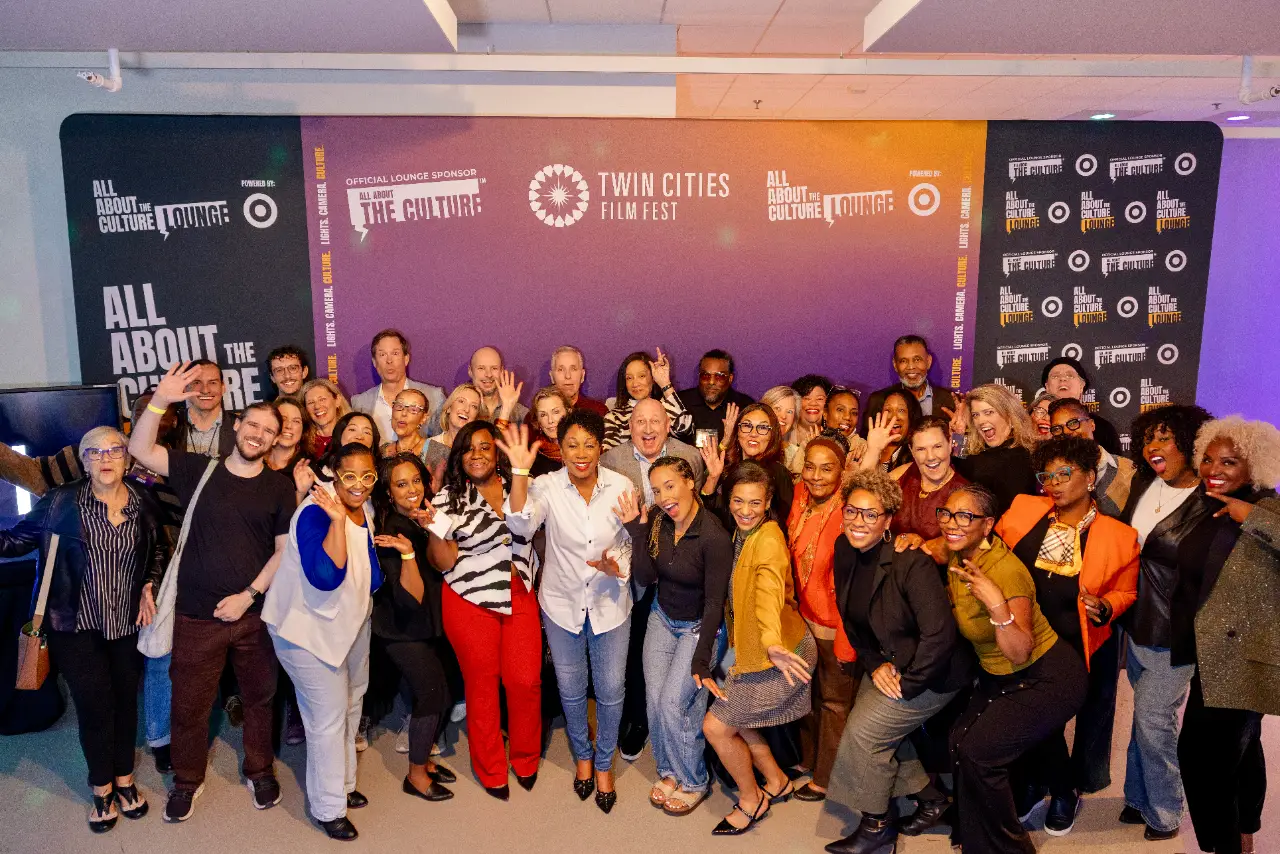
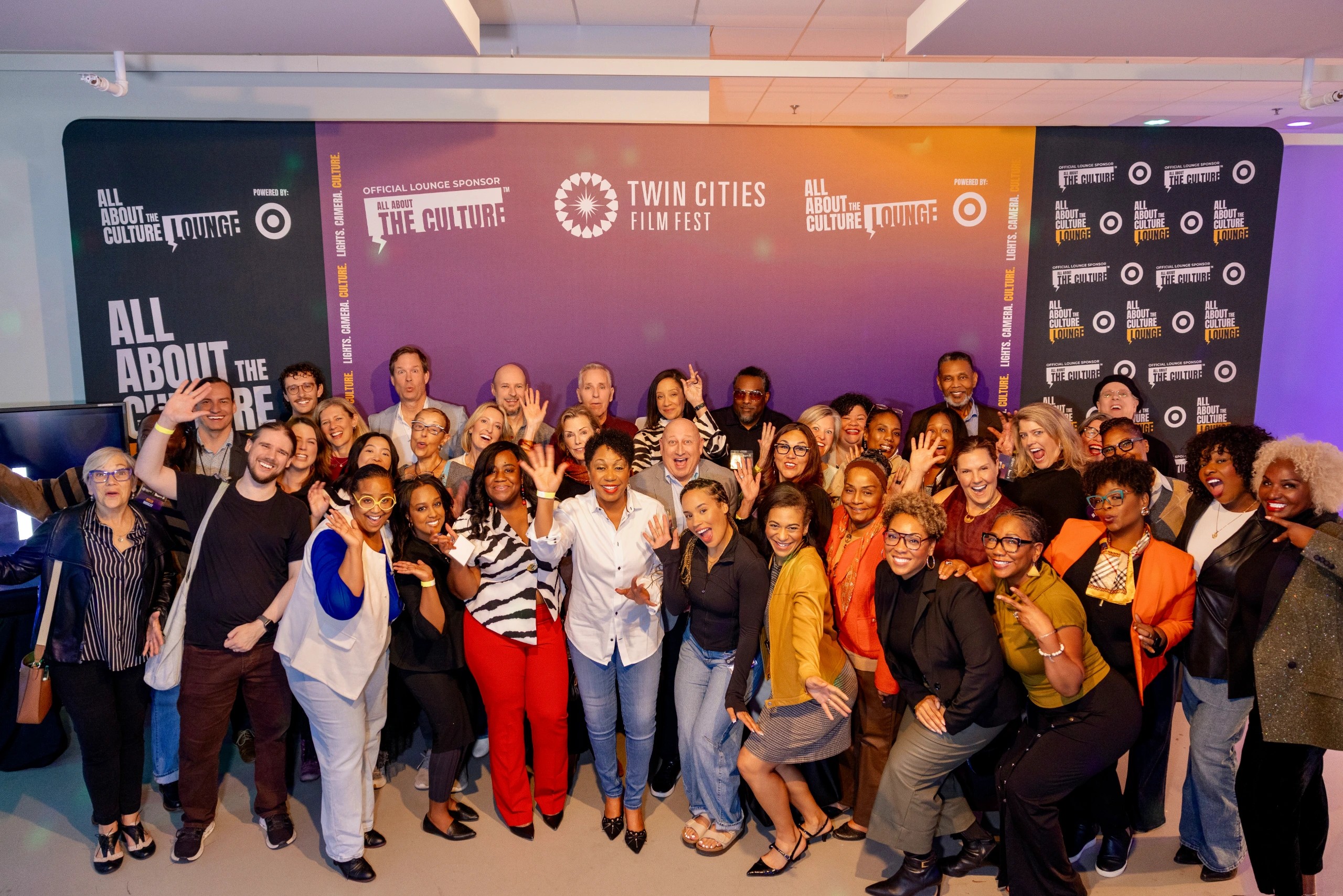
When the 17th Annual Twin Cities Film Fest concluded on October 24, 2026, ten days of films, conversations, and creative exchange came to a close. But the significance of a film festival extends well beyond its final screening. The stories introduced audiences to different perspectives, the filmmakers shared the experiences that shaped their work, and the conversations surrounding both created new opportunities for connection.
From major studio productions and independent features to documentaries, short films, and locally produced projects, TCFF 17 reflected both the breadth and depth of contemporary filmmaking in Minnesota and beyond. Some stories entertained. Others challenged assumptions, documented difficult realities, or invited audiences to reconsider what they thought they knew. Together, these projects demonstrate the enduring power of film to bring people into the same room. To share the same experience.
For All About the Culture, the festival offered a unique opportunity to look beyond the screen and engage with those responsible for bringing those stories to life. Through interviews, special events, and conversations inside the All About the Culture Lounge, powered by Target, we explored the ideas that inspire artists, the experiences that inform their work, and the role creative expression plays in shaping our understanding of one another and the world we live in.
That mission carries particular significance here in the Twin Cities and across the North Star State, where a deep pool of creative talent continues to shape our cultural identity. The people who make films, tell stories, and build artistic communities are among Minnesota’s greatest assets. Their work deserves an audience, and the platforms that help bring it to the world matter.
Throughout TCFF 17, one particular theme emerged over and over again: the importance of creating spaces where stories can be told, experienced, and examined. And, likewise, where the people behind these stories can find one another.
A Festival Built Around the Power of Story
For Jatin Setia, founder and executive director of the Twin Cities Film Fest, this is the commitment that has guided the festival since its inception in 2010.
Jatin's path into the film industry was anything but conventional. After initially considering a career in medicine, he entered corporate America, spending years developing the personal and professional experiences that would eventually prove valuable in an entirely different field: film. That said, the world of filmmaking was always a singular passion of Jatin’s.
As was the case for so many, the 2008 financial crisis resulted in a career disruption for Jatin, prompting him to reconsider what came next. Encouragement, coupled with the wisdom of his wife, helped him recognize this was an opportunity to pursue something different.
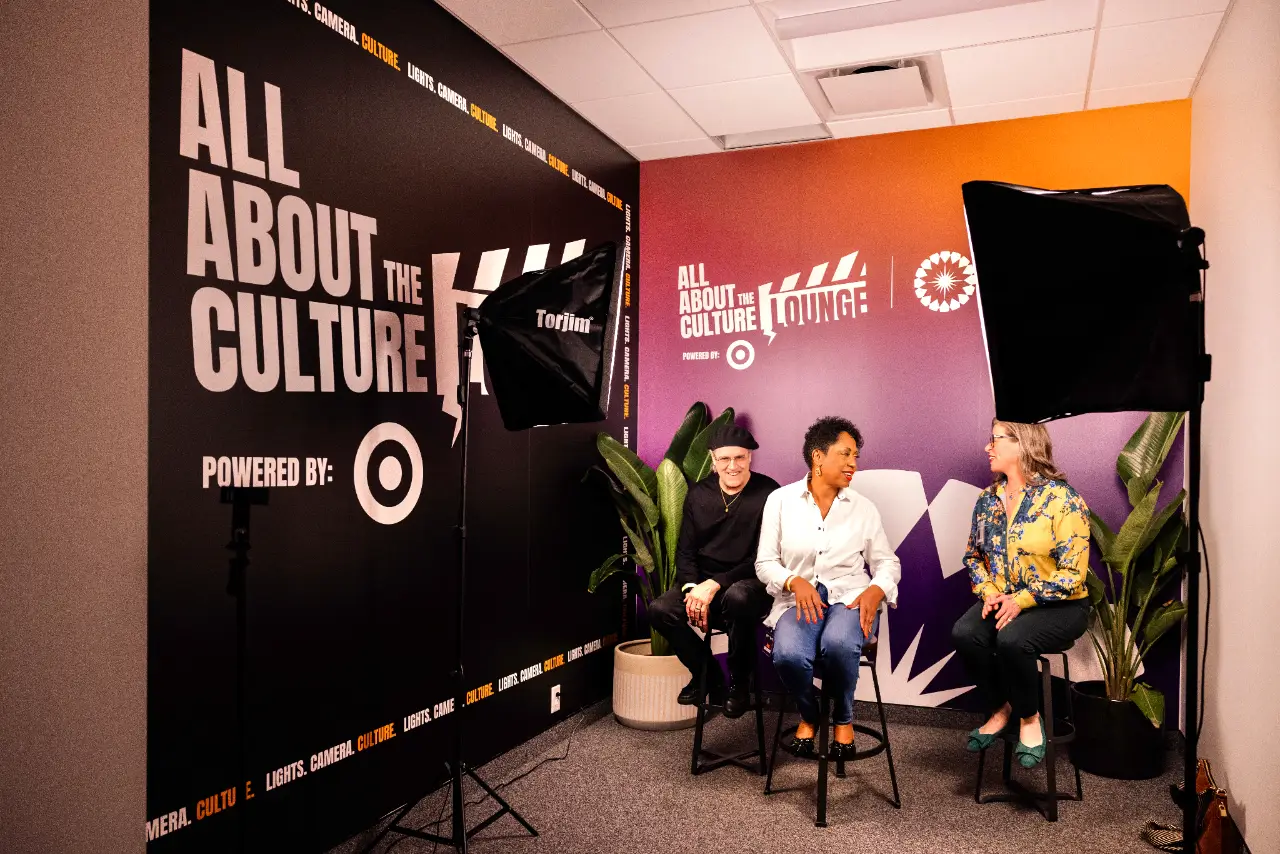
“My wife essentially told me to go find my smile,” he recalled during his exclusive conversation in the All About the Culture Creators Studio.
He began to see a way to combine his business experience with his appreciation for cinema. And in recognizing the importance of having people with the expertise to select and curate films, he curated the talent necessary to build a festival with its own identity.
Nevertheless, Jatin’s ambition was not simply to create another venue for moviegoers. He wanted a festival that welcomed a broad audience while giving filmmakers opportunities to introduce their work to people who might not otherwise encounter it.
“I wanted to essentially include programming that was for everyone,” Jatin explains. “My intention was to program one film that you will like.”
That philosophy continues to inform TCFF's programming today. Major studio productions share space with independent features, socially conscious documentaries, short films, and projects specifically showcasing Minnesota talent. Such variety acknowledges that audiences bring different interests and experiences to the theater, and that a festival can accommodate those differences without compromising its commitment to quality storytelling.
It also creates opportunities for emerging artists to share a festival with established industry professionals, while audiences discover films and perspectives they might not ordinarily seek out at their neighborhood cineplex or via streaming.
“As long as the story drives emotions and there's an audience for it, we're gonna program it,” Jatin acknowledges.
A film's ability to move an audience cannot be measured by its budget or the prominence of its cast alone. A major Hollywood production and a small independent film may operate on vastly different scales, yet both can leave a lasting impression when the story connects with its audience. And for Jatin, one of the festival's most vital roles is to make room for that possibility.
Minnesota Stories Take Center Stage
One of the most notable examples during TCFF 17 was A Month in Minnesota, directed by critically acclaimed documentarian Annie Sundberg. This film, which has been making the rounds at a number of festivals around the country, received the TCFF’s 2026 Audience Award for Documentaries, following three sold-out screenings. Appearances by Governor Tim Walz and U.S. Senator Tina Smith bookended the screenings, further underscoring A Month in Minnesota’s place in ongoing public conversations, not only here at home but across the nation as well as the world.
The local response to this documentary illustrates what can happen when audiences encounter stories connected to their own lives and surroundings. That said, films rooted in a particular place can still speak to experiences far beyond their borders, offering viewers a window into the people, questions, and circumstances that help to mold and define a community.
And for Minnesota filmmakers, this wider scope represents a vital opportunity. Their vision can both document local experiences and much larger conversations about identity, belonging, and the forces shaping American life. A role that became especially relevant in a year when the Twin Cities and the wider state continue to grapple with the consequences of Operation Metro Surge and its effects on our communities.
While discussing the responsibility of a film festival during times like these, Jatin emphasizes the importance of providing filmmakers with a meaningful platform to record and authenticate events that help audiences make sense of the world around them.
“With so many amazing creators right here in our state of Minnesota,” he says, “we wanted to create that safe space for discussion.”
In doing so, the idea is not to resurrect painful experiences simply for their own sake, but to foster opportunities for reflection, understanding, and healing through stories that preserve all that has happened.
“The goal is not to open wounds up again,” continues Jatin. “The goal is to heal through legacy content that we already have.”
This is a distinction that matters. Film becomes more than a record of events. It’s an invitation to listen, reflect, and engage.
And the TCFF extends that commitment across a range of subjects and communities. The Changemaker series focuses on refugee experiences, while specially curated showcases such as Black on Screen and Empower provide additional perspectives. Likewise, comedy, horror, fantasy, and other genres deliver opportunities for entertainment alongside the search for our shared humanity.
“At the end of the day,” Jatin notes, “I want every single audience member who is there in that particular audience watching that particular film to feel something.”
Whether that response is laughter, discomfort, inspiration, nostalgia, or a new understanding of something, the aim is to create an experience that stays with the viewer well after the credits roll.
Beyond the Screen: Conversations and Connections
Throughout the ten-day festival, the All About the Culture Creators Studio offered yet another way to explore and illuminate the ideas behind the films and the processes of the filmmakers.
Along West End Boulevard and tucked inside the All About the Culture Lounge, powered by Target, the Creators Studio welcomed directors, actors, producers, and other cinematic artists for conversations about their work, their respective journeys, and the life experiences that inform and inspire the stories they’ve chosen to tell.
Among those who visited our studio were the creative team behind Welcome to the Fishbowl, which uses a conventional comedic approach to explore deeper themes; Tommy Franklin, whose documentary You Don't Know My Name follows a deeply personal search involving identity and family history; and Chef Ouita Michel and her fellow filmmakers who kicked off the 17th Annual TCFF with their docuseries You Belong Here.
We also welcomed Cici Yixuan Wu and Sebastian Schnabel, the married filmmaking duo behind Deeply Troubled, a Minnesota short film nominated for a TCFF award. Blending poignancy with comedic flair, the film confronts the topics of toxic masculinity, intrusive thinking, and mental health, deftly demonstrating how humor can open a door to subjects that are often difficult to discuss.
And elsewhere, the Strong Women (Drama Shorts Block) surveyed the themes of vulnerability, courage, pain, and resilience through stories centered on a multiplicity of women's experiences.
The conversations surrounding all of these distinctive works reinforce an idea that ran throughout the festival: a film's influence doesn't end when its runtime does. The questions it raises, the emotions it stirs, and the moments it makes visible continue to model the ways in which we collectively think and talk about the world we live in.
For Jatin, specifically, it’s the relationships that develop around the festival that serve as the strongest testaments to its success.
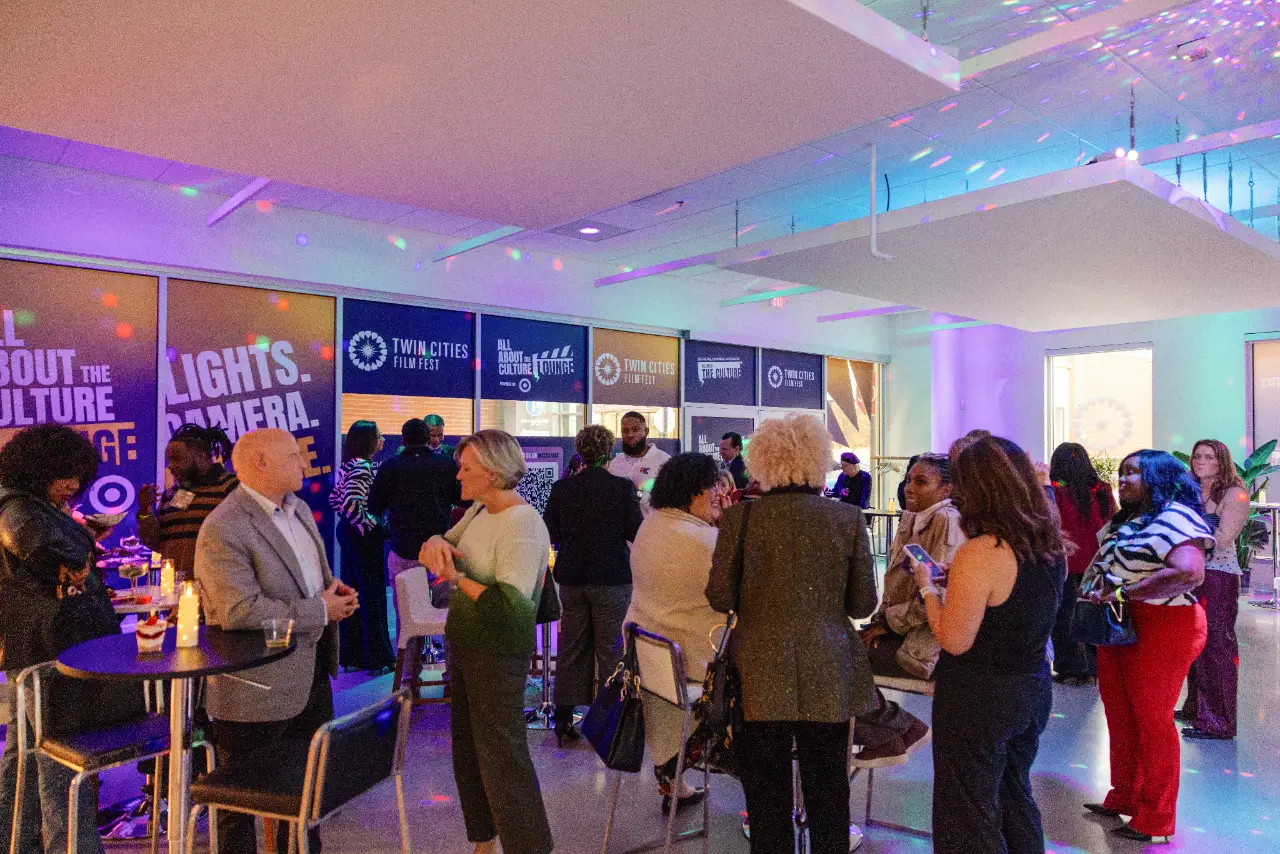
Speaking to what he looks for when he walks into the festival lounge, Jatin describes seeing people meet, embrace, and become absorbed in conversation. And oftentimes, people tell him they have only just met the person standing beside them.
“My measure of success is the connections that are happening outside of those movie theaters,” he said.
That measure reaches beyond the immediate festival experience. A conversation between filmmakers might lead to a collaboration. A student might meet a mentor. An audience member might discover a perspective that challenges a long-held assumption. What begins as a chance encounter can become the starting point for something that continues long after the festival ends.
All About the Culture hosted three private events in the Lounge, bringing together corporate, nonprofit, and community leaders with filmmakers and other creative voices. The gatherings reflected a shared interest in supporting the people who make the art, preserving the stories that shape our communities, and further strengthening Minnesota's cultural ecosystem. In other words, the thing that makes us “cool.”
The All About the Culture Lounge and Creators Studio helped extend the festival experience beyond the screen, making room for exchanges that aren't usually possible in a dark theater. They also reflect and reinforce the broader understanding of culture: it isn't limited to the work presented on a stage or screen. Culture is shaped by the artists who create the work, the communities that sustain them, and the relationships that allow new and innovative ideas to take hold.
Celebrating the People on Screen and Behind the Scenes
TCFF 17 also recognizes international artists whose careers have helped elevate the industry around the world, while continuing to create opportunities for Minnesota's own creative community.
For instance, acclaimed actress Frances Fisher, whose sea of credits includes LA Story, Unforgiven, Titanic, and The Lincoln Lawyer, received the festival's 2026 Lifetime Achievement Award during one of its Spotlight Events. Her appearance gave audiences an opportunity to reflect upon a 50-year career spanning film, television and theater, and the contributions of an artist whose work has reached generations of filmgoers.
At the same time, Minnesota filmmakers remain central to the festival's identity. Their presence alongside established performers and larger productions reinforces the importance of giving local talent opportunities to share its work, build professional relationships, and reach audiences beyond familiar circles.
Jatin’s continued investment in that creative community extends well beyond the annual festival each October, as the TCFF's production company has to date invested nearly $700,000 into the work of local filmmakers. Moreover, its educational and mentorship initiatives have connected aspiring filmmakers from colleges and universities across Minnesota with industry professionals and like-minded peers to help create pathways for the next generation of industry professionals.
The Film Fellows Program grew out of Jatin's experience at another festival, where he observed a structured initiative that immersed young people in that local film community, moving him to establish something similar in Minnesota.
Today, the TCFF receives student applications representing approximately 20 post-secondary institutions across the state, from which they select an annual cohort for a three-day immersive experience as part of the festival. These fellows attend screenings, meet filmmakers, take part in industry events, and begin building valuable relationships with others pursuing similar ambitions.
The program introduces students to the business and craft of filmmaking, but Jatin sees its value in something more lasting: helping young people find a place within the creative landscape.
“They're finding their community, their village, through the Film Fellowship Program.”
Some former fellows have gone on to join the festival's staff, work on local productions, or submit films of their own to the TCFF. And the achievements of these young people further illustrate how support for emerging talent extends beyond any individual program, contributing to the strength and continuity of the broader film ecosystem.
The TCFF also helps independent films find distribution, including several Minnesota projects. And although this work may be less visible than a sold-out screening or an awards presentation, it is central to sustaining a creative community. As Jatin notes, talent needs opportunities to develop, access to relationships that open doors, and platforms through which its work can find an audience.
The Shared Experience of Cinema
Although streaming was already popular, COVID-19 made it nearly ubiquitous, at least for some time. And in 2026, considering all the changes in how people access entertainment, including films, Jatin remains convinced that there is something irreplaceable about gathering in your local cinema.
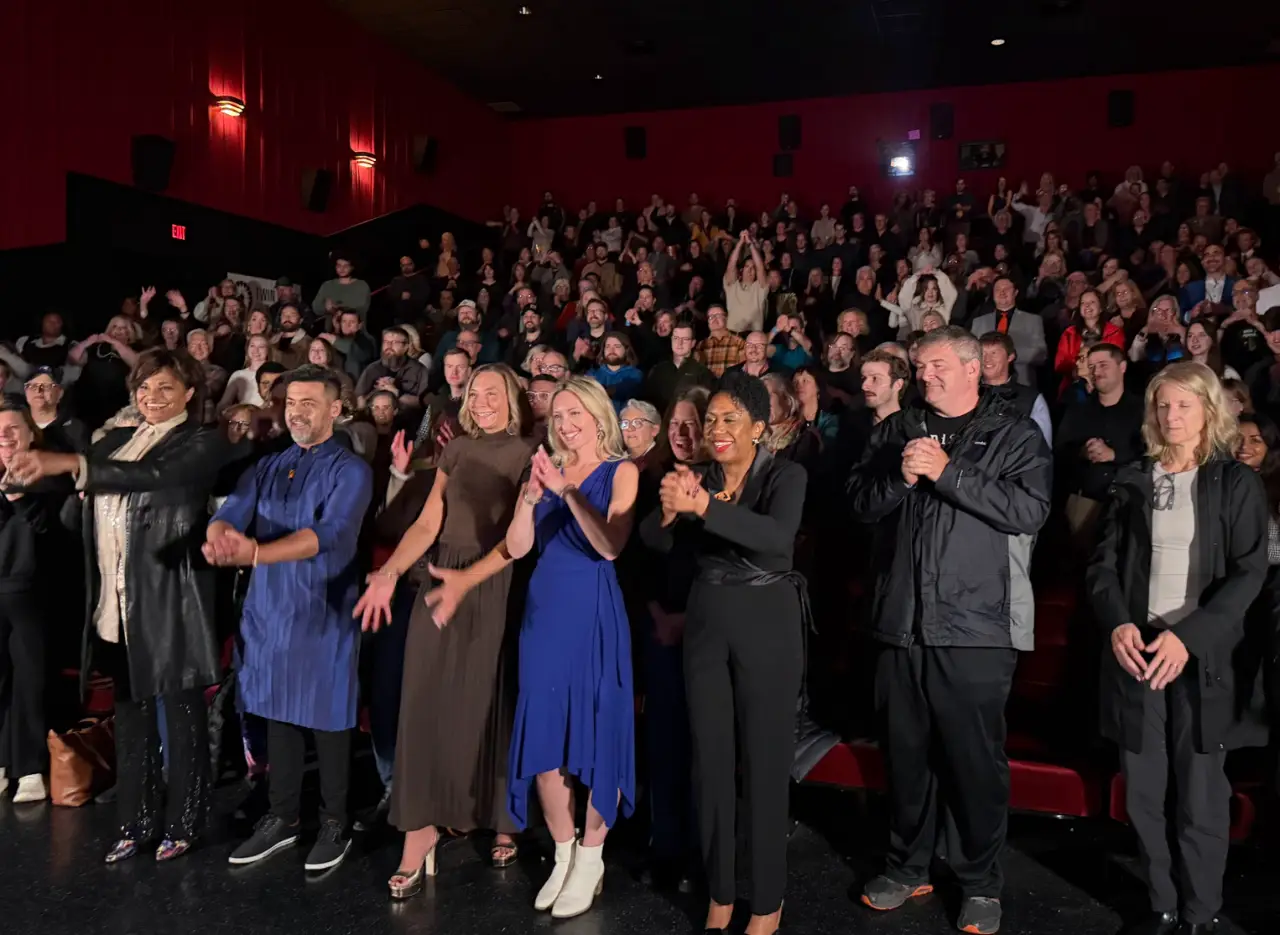
Watching a film at home or on a phone offers convenience, but a darkened movie theater and a larger-than-life screen create an inimitable experience. An audience laughs together, reacts together, and follows a story in real time. Strangers who might otherwise have little reason to interact now find themselves responding to the same moment, sharing the same emotion, or asking questions they hadn't considered before.
Jatin compares that feeling to entering a coffee shop or attending a concert, asserting that people don't need to know everyone in the room to feel a sense of belonging. And after the isolation of the pandemic, that shared experience carries a special meaning. Sometimes, simply being present in the same space is enough to establish a sense of connection.
“I think that's what the festival does,” he explains. “It truly brings the community together.”
This conviction further informs TCFF's emphasis on filmmaker interactions, post-screening discussions, student engagement, and community partnerships. The film may draw people through the doors, but the exchange that follows can be just as valuable.
Looking Toward the Next Chapter
Since its beginnings in 2010, the TCFF has grown into something much larger than an annual gathering of moviegoers. Its production company, fellows program, educational and outreach initiatives, and support for independent filmmakers reflect an unwavering investment in the people and projects that add to the depth and diversity of this region’s cultural identity.
Jatin carefully considers that growth with an eye toward what comes next. Each festival requires deliberate choices, a willingness to experiment, and an understanding that progress sometimes means moving beyond familiar approaches. Rather than simply repeat what worked the year before, he wants to introduce new ideas in an effort to build something that continues to evolve.
And Jatin says that he’s already thinking about both the TCFF's 20th and 25th anniversaries, even as his attention remains on the opportunities that are immediately ahead. His invitation to audiences is uncomplicated.
“Just come to one movie,” he implores. “Go to a film festival, immerse yourself in that experience, and I guarantee you'll have a great time.”
For All About the Culture, Jatin’s invitation aligns with a larger belief: Minnesota has something special to share with the world. We are home to an artistic community that is in a class all its own. And by continuing to invest in these institutions, platforms, and the individual artists themselves, we nurture a culture that will continue to flourish.
As TCFF 17 came to a close, it left behind more than a record of screenings, post-show discussions, and award recipients. It offered a glimpse of what becomes possible when a community makes room for its storytellers. It provides a space not only for their work to be witnessed, examined and discussed. And perhaps, as much as anything, it gives their stories the chance to travel beyond the places where they began.
We extend our thanks to Jatin Setia and the entire Twin Cities Film Fest team, the filmmakers and artists who shared their time and talents, the audiences who filled the theaters night after night, and the partners whose support helps make the TCFF possible each fall.
“Seventeen years in, the Twin Cities Film Fest continues to affirm cinema's place as an art form that deepens our understanding of the human experience, reveals parts of ourselves in others, and shines a light on the stories that connect us.
And in Minnesota, those stories are well worth telling.”